Frequently Asked Questions
Why is radon so common in Denver homes?
Denver sits on the Front Range, where Colorado's geology and uranium-rich soil produce naturally high radon levels. The gas seeps through foundations, slabs, and crawl spaces common in the area. At Master Mitigators, we're familiar with these local soil conditions and foundation types.How does radon mitigation actually work?
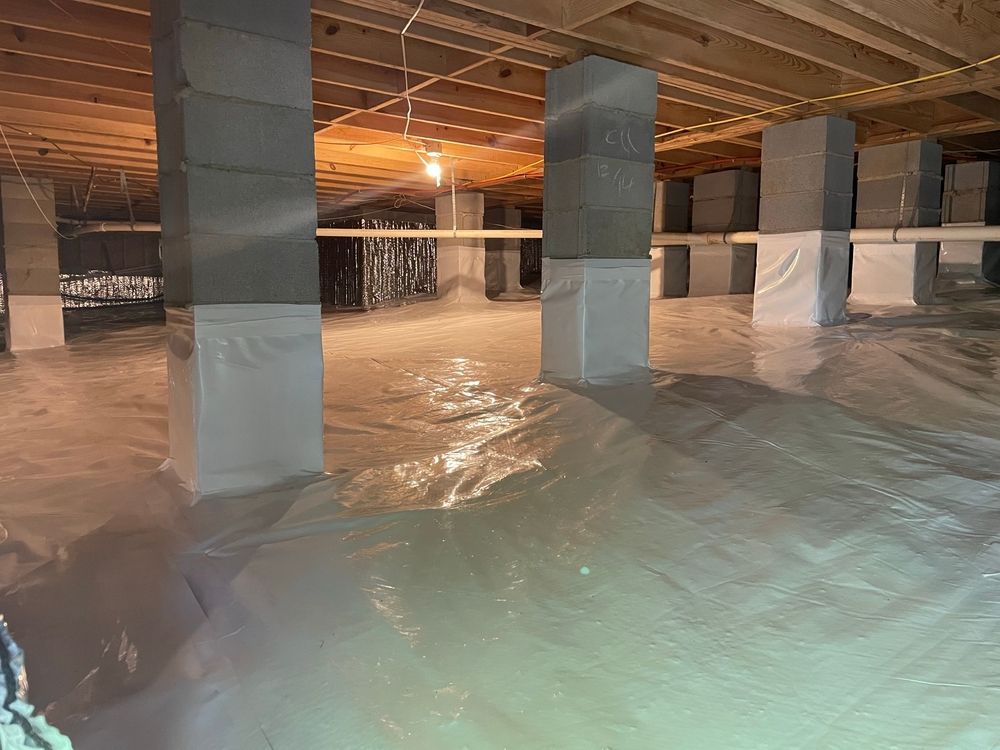
A mitigation system redirects radon gas from beneath your home's foundation to the outside air before it enters living spaces. This involves proper venting, fan placement, and suction designed for your foundation type. At Master Mitigators, we customize each system for long-term performance and quiet operation.When should I test my home for radon?
Test when you move in, during a real estate transaction, or every two years if you haven't tested recently. Colorado homes of any age can have elevated radon levels. Short-term and long-term testing options help you make informed mitigation decisions.What's the difference between short-term and long-term radon testing?
Short-term tests take 2–7 days and are often used during real estate transactions for quick results. Long-term tests run 90+ days and provide a more accurate average of radon exposure over time. Both methods use certified equipment to measure radon levels accurately.Can radon levels change with Colorado's seasons?
Yes, radon levels can fluctuate with temperature changes, snow cover, and how tightly your home is sealed. Winter months often show higher indoor radon concentrations. At Master Mitigators, we recommend follow-up testing and seasonal system checks to ensure continued effectiveness.What affects the cost of radon mitigation?
Foundation type, home size, and existing construction all influence mitigation system design and installation complexity. Basements, slabs, and crawl spaces each require different approaches. At Master Mitigators, we provide custom solutions tailored to Denver-area housing styles and conditions.How long does a radon mitigation system last?
A properly installed system can operate effectively for 15–20 years or more with routine maintenance. Fans and components should be inspected periodically to ensure continued airflow and radon reduction. Preventative maintenance extends system life and performance, especially important in Colorado's changing climate.Do new homes in Colorado need radon systems?
Many new builds benefit from radon-resistant construction or passive radon systems installed during construction. This approach reduces future mitigation costs and addresses Colorado soil gas conditions early. At Master Mitigators, we coordinate with builders to integrate passive or active systems into project timelines.What's the biggest mistake homeowners make with radon?
Assuming radon isn't present without testing, or delaying mitigation after discovering elevated levels. Radon exposure is cumulative and poses long-term health risks. At Master Mitigators, we encourage proactive testing and prompt mitigation to protect families and property value.How do I prepare my home for radon testing?
Keep windows and doors closed 12 hours before and during the test, except for normal entry and exit. Avoid using fans that bring in outside air. Place the test device in the lowest lived-in level, away from drafts, for the most accurate measurement.Can radon mitigation systems work in commercial buildings?
Yes, engineered mitigation systems are scaled for larger spaces, multi-unit buildings, and mixed-use properties. These systems operate efficiently while minimizing disruption to daily operations. At Master Mitigators, we've successfully mitigated over 2,000 homes and businesses across Colorado.Will a radon system make my home noisy?
Modern mitigation systems use quiet, efficient fans designed to run continuously with minimal sound. Proper installation and fan placement ensure the system operates unobtrusively. At Master Mitigators, we prioritize cleanliness and quality components for long-term, quiet performance.