Protect Indoor Air in Commercial Buildings
Commercial Radon Mitigation Systems in Denver, Colorado
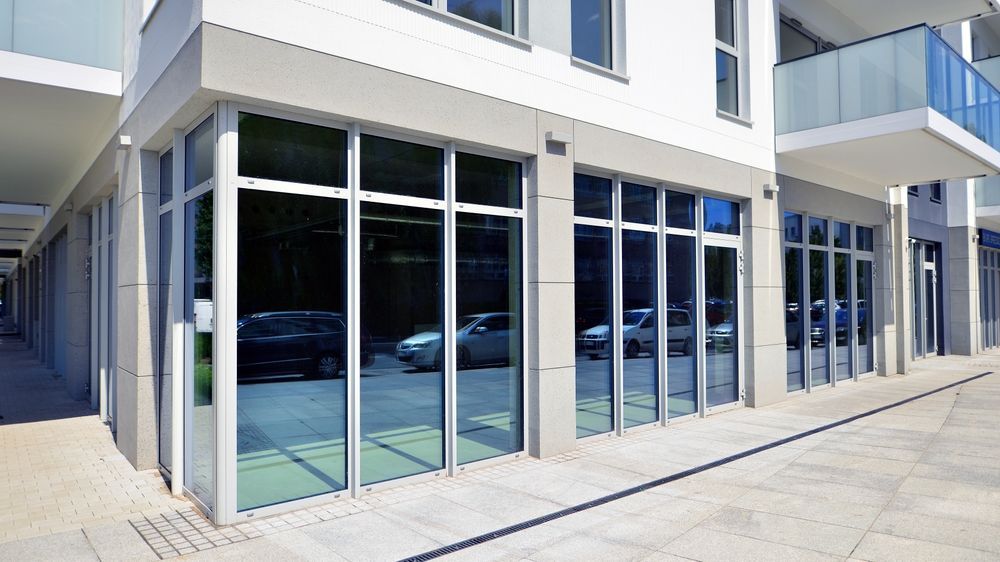
Your commercial building or multi-unit property in Denver may have radon entering through the foundation just like a residential home, but the scale and complexity of the structure require a different approach. Radon accumulates in basements, ground-floor offices, storage areas, and shared spaces, and occupants can be exposed over long periods without knowing it. Master Mitigators designs engineered mitigation systems for commercial and multi-unit buildings that address radon across larger footprints and multiple occupancy zones.
Commercial systems are built to operate efficiently in buildings with higher square footage, varied foundation types, and mechanical systems that affect airflow. The design process includes assessing the building's layout, testing multiple zones if needed, and determining the best placement for vent pipes and fans. Systems are compliant with industry mitigation standards and designed for continuous operation without disrupting daily business or tenant activity in Denver.
If you manage a commercial property in Denver with elevated radon levels, reach out to schedule a consultation and discuss mitigation options that fit your building.
Designing Systems for Larger Spaces
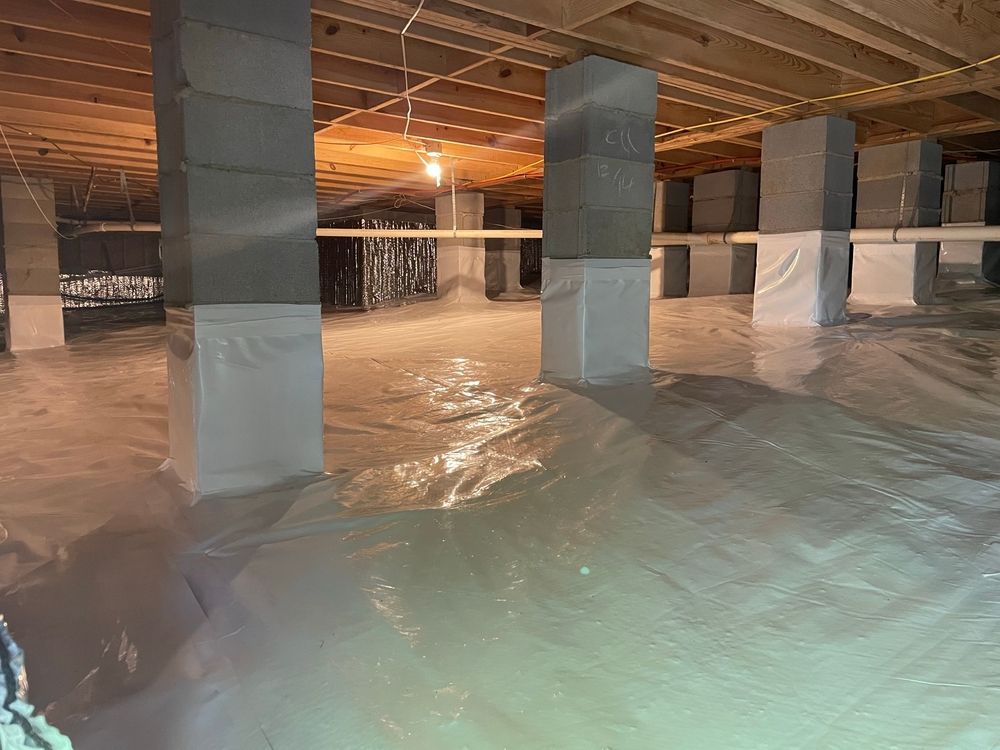
Commercial radon mitigation in Denver involves installing one or more sub-slab depressurization systems that create negative pressure beneath the building. Vent pipes are strategically placed to pull radon from below the foundation, and fans exhaust the gas above the roofline or away from occupied areas. The number of suction points and fan capacity depend on the size and layout of the building, as well as the severity of the radon problem.
Once the system is operational, you won't notice it during daily operations. Fans are selected for quiet performance and energy efficiency, and the system runs continuously to maintain reduced radon levels. Follow-up testing confirms that radon has been lowered across the building, and results are documented for compliance or tenant disclosure purposes.
Master Mitigators also offers ongoing maintenance options to keep the system operating at full capacity. Seasonal changes in Colorado can affect airflow and system performance, so periodic inspections help catch issues before they reduce effectiveness. The systems are designed for durability and long-term operation, integrating with existing mechanical infrastructure without requiring major renovations.
Planning Mitigation for Your Property
Property managers and building owners often have questions about how commercial mitigation differs from residential systems and what the process involves.
If your Denver commercial property or multi-unit building has tested high for radon, contact Master Mitigators to schedule a consultation and review mitigation options designed for your building's layout and occupancy needs.