Build Radon Protection Into Every Project
Radon Services for Home Builders
When you build homes, radon is a factor you need to address early. Colorado soil produces some of the highest radon levels in the country, and installing radon-resistant features during construction is far easier and less expensive than retrofitting later. Builders who plan for radon from the start reduce future costs for homeowners and avoid callbacks or warranty claims related to indoor air quality.
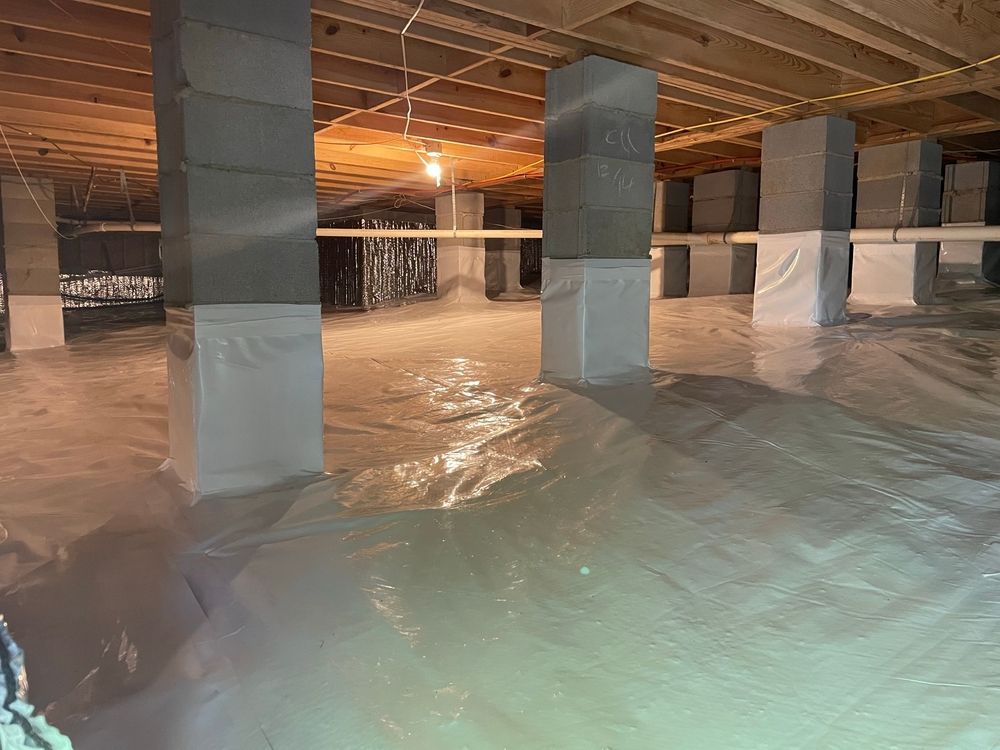
Master Mitigators works with home builders throughout Denver to install passive and active radon systems during construction. We coordinate with your timeline and site conditions, integrating vent piping, vapor barriers, and sealing techniques into the build process. Whether you are working with basement foundations, slab-on-grade, or crawl space designs, we help you meet radon-resistant construction standards and prepare homes for long-term safety.
If you are planning a new build and want to integrate radon solutions early, contact Master Mitigators to discuss your project.
Installing Radon Systems During New Construction
We work with builders to install radon vent piping and sub-slab depressurization systems before the foundation is sealed. A passive system includes a vent pipe running from beneath the slab through the roof, allowing radon to escape naturally. If testing after occupancy shows elevated levels, the system can be activated by adding a fan. Active systems include the fan from the start, pulling radon from beneath the foundation and venting it outdoors.
Once installed, the system becomes a permanent part of the home. Radon levels typically stay below 2.0 pCi/L when the system is designed correctly and installed during construction. Homeowners notice no operational noise, and the only visible component is a small pipe running vertically through a utility area or exterior wall. The system requires no maintenance beyond occasional fan checks if active.
We also install vapor barriers, seal foundation joints, and address soil gas entry points as part of the process. These steps work together to minimize radon infiltration and improve overall indoor air quality. Our team coordinates with your framing, plumbing, and HVAC schedules to avoid delays, and we provide documentation suitable for building inspections and buyer disclosures.
Questions Builders Ask Before Adding Radon Systems
Builders often have practical questions about radon-resistant construction before adding it to their projects. Below are the answers to the concerns we hear most often.
Why is radon mitigation so important?
Master Mitigators works with home builders throughout Denver to integrate radon-resistant construction into new projects. If you want to reduce future mitigation costs and build safer homes, reach out to discuss your next build.