Keep Radon Levels Safe Over Time
Preventative radon maintenance and repair services help Denver homeowners maintain system performance and protect indoor air quality.
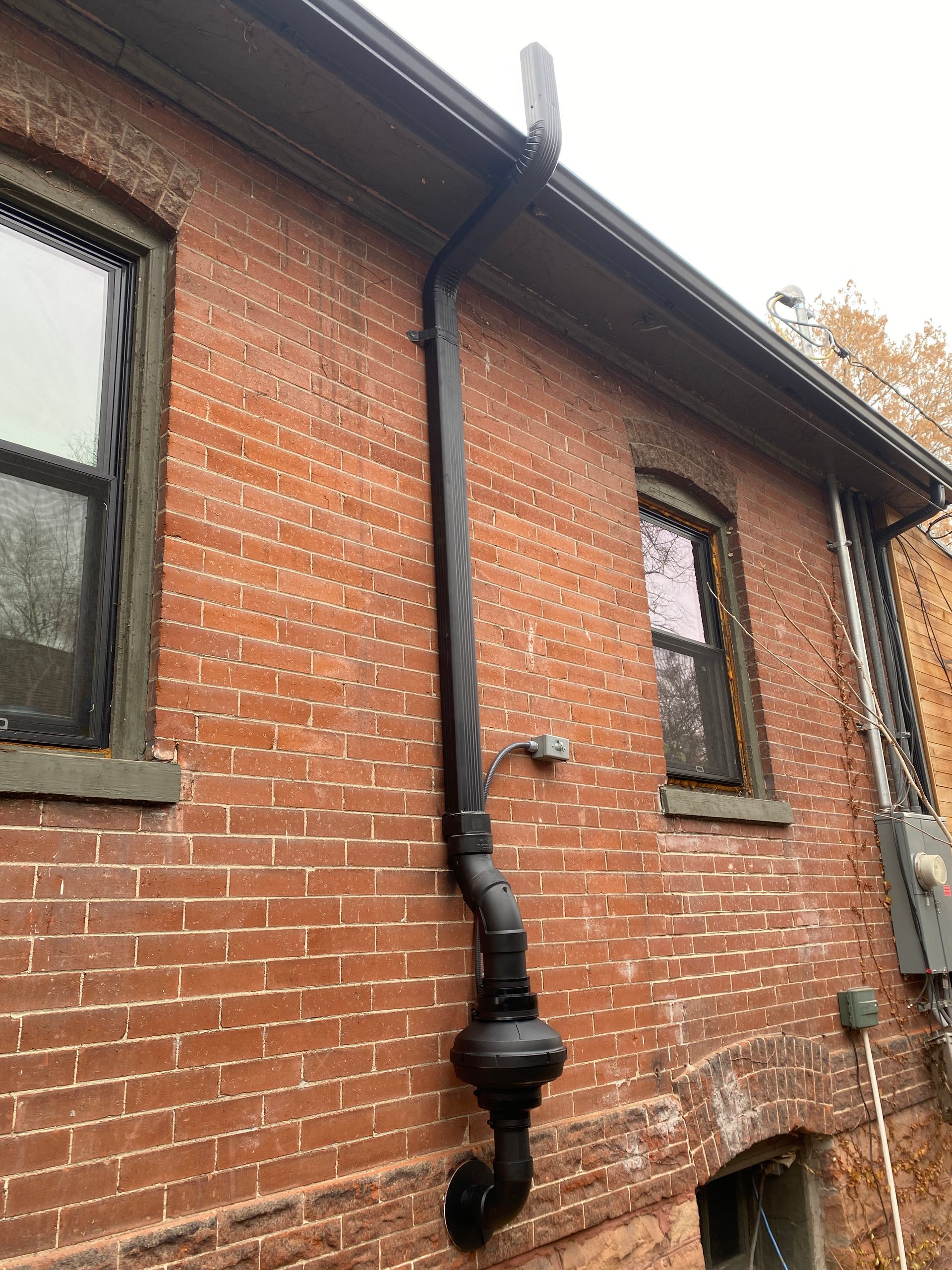
Your radon mitigation system works quietly in the background, pulling radon gas from beneath your Denver home and venting it safely outdoors. Over time, fans wear down, pipes develop small cracks, and pressure readings shift as soil conditions change around your foundation. Regular maintenance catches these issues before they allow radon levels to climb back into unsafe ranges.
Master Mitigators provides preventative radon maintenance and repair to keep your system running as it should. You receive a full system inspection that includes checking fan operation, testing pressure differentials, examining all pipe connections, and verifying that the exhaust discharge point remains clear and properly positioned. If any component shows wear or reduced performance, you receive a clear explanation of what needs repair and why it matters for your indoor air quality.
If you want to confirm your radon system is still protecting your Denver home the way it did when first installed, get in touch to schedule a maintenance inspection.
What Happens During a System Check
When you schedule maintenance in Denver, a technician arrives with diagnostic tools to measure system performance across multiple points. The fan is tested for consistent operation, and pressure gauges verify that suction beneath the slab remains strong enough to prevent radon entry. Every sealed joint and connection point is visually inspected for gaps or deterioration that could allow untreated air to bypass the system.
After the inspection, you receive a written summary that notes current radon levels, fan condition, and any components approaching the end of their service life. If repairs are needed, you see exactly what will be replaced and how it restores full system function. Most service visits also include cleaning debris from intake points and confirming that your system label and manometer remain visible and accurate.
Repairs may involve replacing a worn fan motor, sealing a cracked pipe segment, or adjusting the system layout if landscaping or foundation work has shifted soil pressure patterns. The goal is always to return your system to the performance level that keeps radon concentrations below four picocuries per liter. This work does not include new system design or relocation of major components, which would require a separate assessment.
Questions homeowners in Denver often ask before scheduling service
Homeowners preparing for radon system maintenance often want to know what the visit involves, how long repairs take, and whether their current system can be serviced or needs replacement. These five questions address the most common concerns.
How often should radon systems be inspected?
You should have your system inspected every two to three years to verify fan operation and pressure levels remain effective. If you notice changes in fan noise or your manometer reading shifts, schedule a service visit sooner.
What are the most common repairs needed over time?
Fan motors typically need replacement after seven to ten years of continuous operation, and pipe sealant can crack or separate at joints exposed to temperature swings. Pressure imbalances sometimes require adding suction points if soil conditions beneath your slab have changed.
How long does a maintenance visit take?
A full system inspection usually takes between one and two hours depending on system complexity and accessibility. If repairs are needed and parts are available, most can be completed the same day within an additional hour or two.
Will you retest radon levels after repairs?
Yes, after any repair that affects system performance, a short-term radon test is conducted to confirm levels remain below the recommended action threshold. You receive the results within a few days and a copy for your records.
Can you service systems installed by other companies?
Master Mitigators services radon systems regardless of who installed them, as long as the system design meets current standards and components are accessible. If the system is outdated or improperly configured, you will receive a recommendation for upgrades or replacement.
Routine maintenance extends the life of your radon system and keeps your Denver home protected without the cost or disruption of emergency repairs. Master Mitigators provides clear reporting, honest recommendations, and repairs that restore full system performance. Contact us to schedule your next service appointment.