Denver's Front Range Geology Drives Some of Colorado's Highest Indoor Radon Readings
What Makes Denver Homes Especially Vulnerable to Radon Accumulation
When uranium-bearing granite and volcanic soils beneath the Denver metro release radon gas, that gas follows the path of least resistance — straight into your basement through foundation cracks, sump pit openings, and utility sleeve gaps. Denver sits squarely in EPA Zone 1, the highest-risk radon classification, meaning the majority of untested homes in this area exceed the 4.0 picocurie-per-liter action threshold. The problem intensifies during winter months when homes are sealed tightly and stack effect pulls soil gas upward through lower levels faster than it can dissipate.
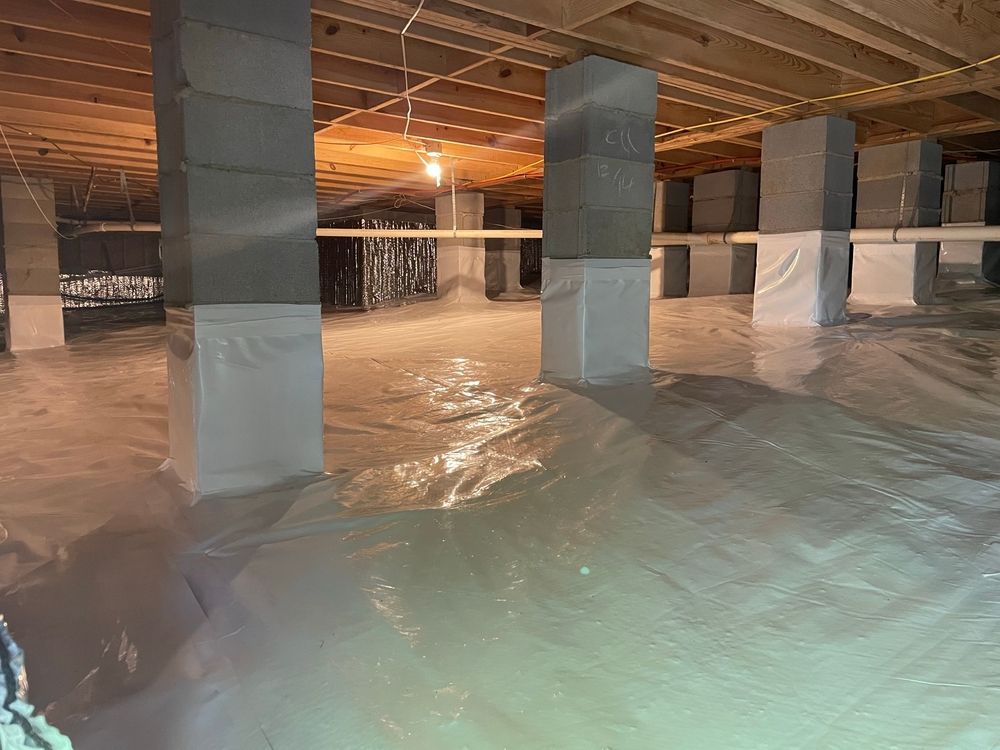
Master Mitigators addresses radon risk at the foundation level, where entry is actually occurring, rather than relying on air exchange alone. Older Denver neighborhoods with unfinished basements and original concrete block foundations present different entry challenges than newer slab-on-grade construction along the I-225 corridor — and each requires a different mitigation strategy. After a professional assessment pinpoints your home's specific entry pathways, indoor radon levels that were previously undetectable become measurable, and then correctable.
How Denver's Specific Conditions Shape the Right Mitigation Approach
Sub-slab depressurization — the standard mitigation method — works by creating negative pressure beneath your foundation so radon is drawn out through a dedicated pipe and exhausted above the roofline before it enters living spaces. In Denver homes with basements, the suction point location matters enormously: gravel sub-base communicates well, while clay-heavy soils beneath some older Denver lots restrict airflow and may require multiple extraction points to achieve even pressure distribution across the entire footprint. A pressure field extension test performed during installation confirms the suction is reaching all areas, not just the region immediately around the pipe.
Post-installation testing — conducted 24 to 48 hours after system activation — typically shows radon levels dropping to 1.0–2.0 pCi/L in homes that previously measured above 8.0 pCi/L. The fan runs continuously, drawing less electricity than a standard light bulb, and the only visible change is a PVC pipe exiting through the foundation wall or interior chase. Contact us to schedule radon testing and mitigation in Denver and stop accumulation at the source.
Signs Your Denver Home May Have a Radon Problem Worth Testing
Radon has no odor, color, or taste — the only way to confirm elevated levels is measurement. These conditions are known to increase radon entry risk in Denver-area homes:
- Visible cracks in basement floor slabs or block foundation walls, which are common in Denver homes built before 1980
- An open or uncovered sump pit, one of the highest-volume radon entry points in Colorado basements
- Finished basement living spaces where occupants spend several hours daily, increasing cumulative exposure
- Homes along Denver's western foothills edge where soil uranium concentration is measurably higher
- Any home that has never been tested, regardless of age — newer construction is not automatically safe
Once elevated radon is confirmed, every additional day without mitigation extends your household's exposure to a Class A carcinogen. A same-week installation appointment for radon mitigation in Denver means your family can stop worrying about what's moving through the soil beneath your home. Get in Touch today to schedule your assessment.