Stop Groundwater Before It Reaches Your Basement
Sump Pump Installation in Denver
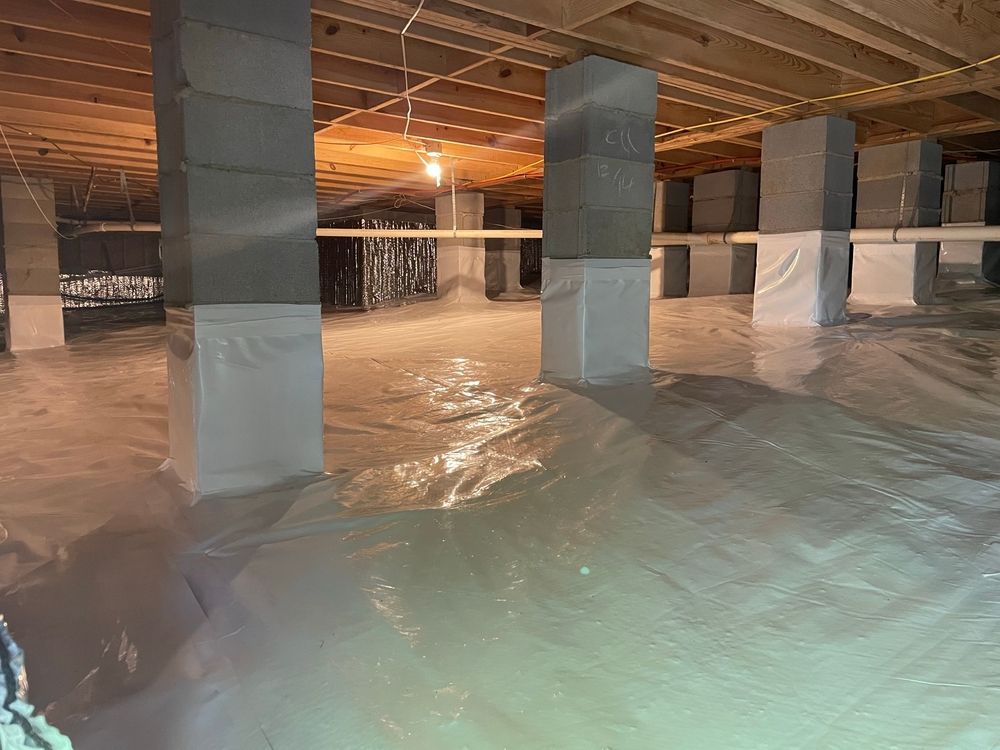
If your basement or crawl space in Denver collects water after heavy rain or snowmelt, or you've noticed dampness along your foundation walls, a sump pump system removes groundwater before it causes flooding, structural damage, or creates conditions that allow radon and soil gas to enter your home. Homes across Denver often deal with high water tables, clay soils that don't drain well, and seasonal moisture from Front Range weather patterns, and a sump pump gives that water a controlled exit point rather than letting it pool under your foundation or seep through cracks.
Master Mitigators installs sump pump systems designed to manage groundwater, support radon mitigation efforts, and protect your basement and crawl space from moisture damage. The installation includes excavating a sump pit in the lowest part of your basement or crawl space, installing the pump and discharge line, and routing water away from your foundation to a safe drainage area. This reduces the conditions that allow soil gas intrusion and helps maintain a dry, stable environment below your home.
If you're dealing with water issues or planning radon mitigation in Denver, contact us to schedule sump pump installation that fits your home's foundation and drainage needs.
How the Installation Works and What Changes
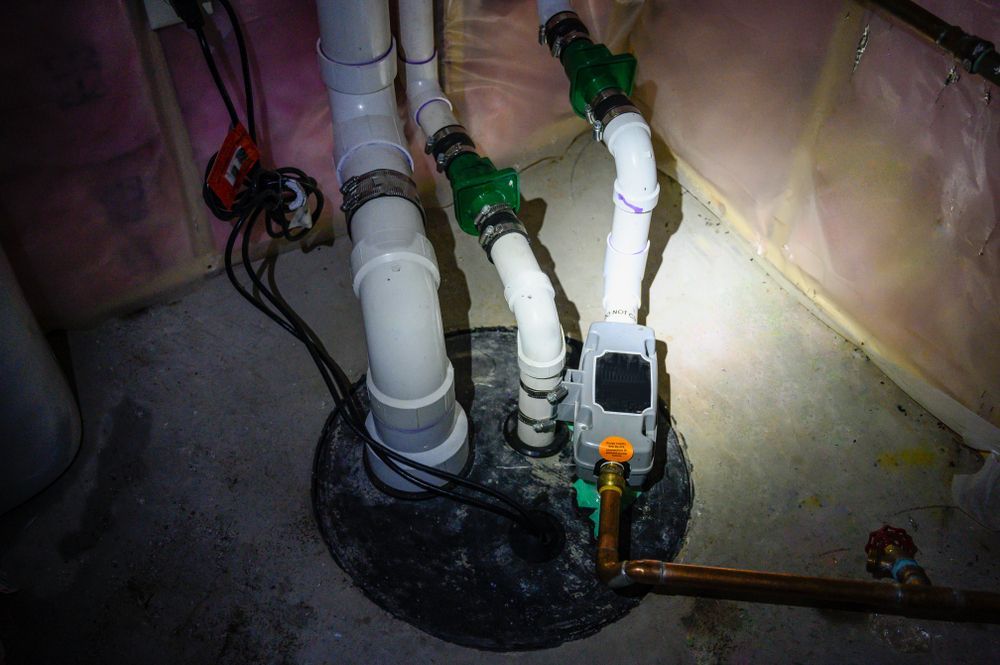
During installation in Denver, a technician excavates a pit in your basement floor or crawl space, typically 18 to 24 inches deep, and lines it with gravel to allow water to flow in from surrounding soil. The sump pump sits inside the pit and activates automatically when water reaches a certain level, pumping it through a discharge pipe that runs outside your home and away from the foundation. The system is wired to your electrical panel, and a check valve prevents water from flowing back into the pit after the pump shuts off.
After installation, you'll notice that standing water and dampness in your basement or crawl space are gone, and the area stays dry even during wet weather. This also reduces hydrostatic pressure under your foundation, which lowers the risk of cracks and soil gas entry, making it easier for radon mitigation systems to work effectively if needed later.
The installation does not include exterior drainage work, foundation crack repair, or radon mitigation equipment, but it addresses the groundwater issues that often contribute to those problems. If your home has a high water table or poor drainage, a sump pump is one of the most direct ways to manage moisture and protect your foundation.
Questions That Come Up Before Installing
Homeowners in Denver often ask where the pump goes, whether it runs constantly, and how it connects to radon mitigation if that's also needed.
If water is pooling in your Denver basement or crawl space, or you're planning for radon mitigation and need to control groundwater first, Master Mitigators installs sump pump systems that handle Front Range moisture conditions and protect your foundation. Contact us to schedule installation.