Understand How Radon Enters Your Home
Radon Education and Prevention Tips in Denver
Radon is a colorless, odorless gas that rises from the ground and enters homes through foundation cracks, sump pits, and gaps around utility lines, and it's especially common in Denver due to the geological composition of the Front Range. If you've heard that radon is a concern in Colorado but you're not sure how it affects your home or what you can do about it, this education service helps you understand how radon moves through soil, why certain homes are more vulnerable, and what steps reduce your risk before levels become a health concern.
Master Mitigators explains how radon enters homes and buildings, the health risks associated with long-term exposure, and prevention strategies that work for homeowners and builders. This service addresses common misconceptions, such as the belief that newer homes don't have radon issues or that basements are the only affected areas. You'll learn what factors increase radon entry, how to recognize vulnerable construction details, and what you can do during planning, building, or remodeling to reduce radon accumulation.
If you want to understand radon risks and prevention in Denver, reach out to learn how radon behaves in your home and what steps make a difference.
How Radon Moves Into Living Spaces
Radon originates from the natural breakdown of uranium in soil and rock, and it moves upward through soil gas, entering your Denver home wherever there's an opening between the ground and your living space. Common entry points include foundation cracks, gaps around pipes, sump pump pits, and the joint where your basement floor meets the wall. Homes with crawl spaces, unfinished basements, or slab-on-grade foundations are all susceptible, and radon levels can vary significantly even between neighboring properties.
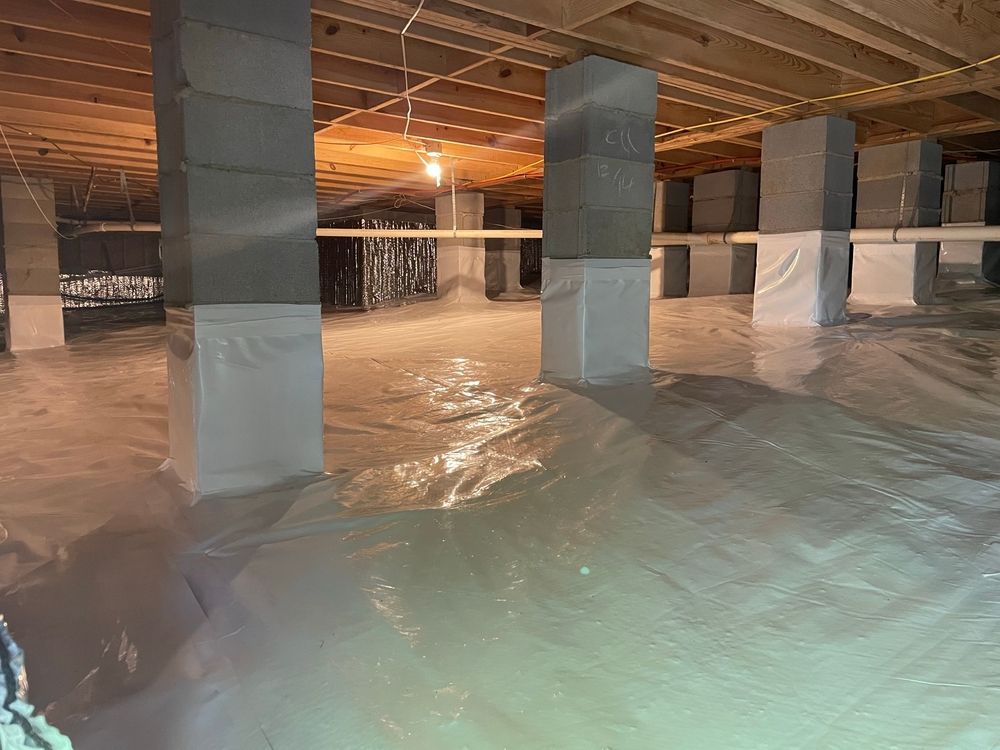
Once you understand how radon enters, you'll notice details in your own home that either reduce or increase the likelihood of accumulation. Sealing visible cracks, improving ventilation, and installing vapor barriers during construction all lower radon entry, and these steps are far easier to implement before a home is finished or during a remodel.
Prevention doesn't eliminate the need for testing, but it reduces the conditions that allow radon to accumulate. This education service prepares you to make informed choices whether you're building, buying, or maintaining a home in the Front Range area.
Questions Homeowners Ask About Radon
People in Denver often ask how radon affects health, whether their home is at risk, and what they can do before testing or mitigation becomes necessary.
If you want to understand how radon affects your Denver home and what you can do to reduce risk, Master Mitigators provides education that's grounded in how homes in this area are built and how radon behaves in Colorado soils. Contact us to learn more about prevention and next steps.