Stop Moisture and Radon Beneath Your Home
Crawl Space Encapsulation Services in Denver
Your crawl space may sit out of sight, but what happens there affects the air you breathe and the structure supporting your home. In Denver, where soil conditions and seasonal temperature swings create pressure differentials, moisture and soil gases move upward through unsealed crawl spaces. You may notice musty odors, cold floors, or high humidity during warmer months when the ground releases moisture into the air beneath your home.
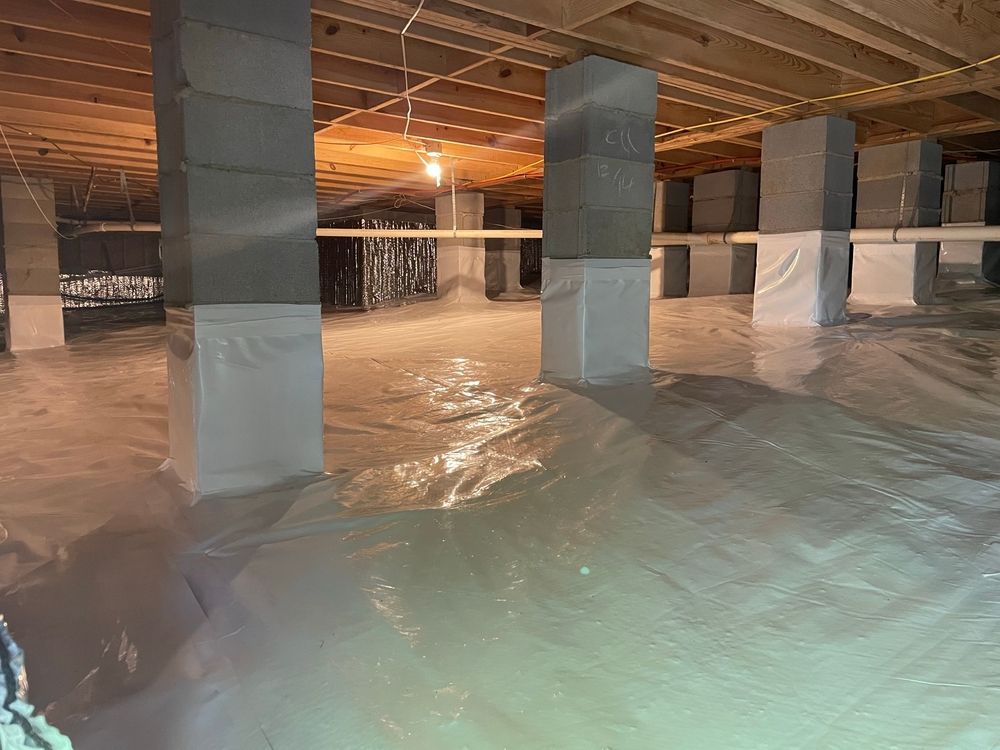
Crawl space encapsulation seals exposed dirt and foundation walls using durable vapor barriers installed across floors and up walls. This process creates a controlled environment that limits moisture intrusion, reduces radon and soil gas entry, and supports better performance from mitigation systems already in place. Master Mitigators works with homeowners across Denver to evaluate foundation types, identify entry points, and install vapor barriers designed for long-term durability in Colorado conditions.
Schedule a crawl space evaluation to see how sealing your foundation can protect your home and improve indoor air quality.
What Sealing Your Crawl Space Actually Does
When you seal your crawl space, the installation begins with clearing debris and addressing drainage issues that may contribute to moisture buildup. In Denver, where vented crawl spaces are common in older homes, the process involves covering exposed soil with heavy-duty polyethylene sheeting, then extending the barrier up foundation walls and sealing seams to block airflow from below. The result is a clean, dry space that no longer pulls humid or contaminated air into your living areas.
After encapsulation, you will notice warmer floors during winter, lower humidity readings in summer, and a reduction in the musty smell that often comes from damp crawl spaces. The sealed environment also limits the pathways radon uses to enter your home, which improves the efficiency of active radon mitigation systems and reduces the workload on your HVAC system.
The vapor barrier is secured with fasteners and sealed at penetrations such as support posts or plumbing lines. The system does not require ongoing maintenance, though periodic inspections help confirm the barrier remains intact. This service does not address active water leaks or foundation cracks, which must be repaired separately before encapsulation can proceed.

Questions About Sealing Your Space Are Normal
Homeowners often want to know how encapsulation fits with other mitigation work, what the installation involves, and how long the system lasts. These questions help you understand what changes beneath your home and what to expect once the work is finished.
Master Mitigators evaluates foundation conditions, drainage patterns, and existing ventilation before recommending encapsulation options for your Denver home. Sealing your crawl space is a permanent upgrade that reduces moisture, limits radon entry, and improves comfort throughout the year. Contact us to schedule an evaluation and review the installation process for your foundation type.