Know What's in the Air You Breathe
Indoor Air Quality Consultation in Denver
If you've noticed musty odors in your basement, persistent humidity near your crawl space, or you're simply concerned about radon in your Denver home, an indoor air quality consultation gives you clear information about what's happening below and inside your living space. Homes across Denver often deal with soil gas intrusion and moisture accumulation due to foundation design and the region's clay-heavy soils, and those conditions directly affect the air you and your family breathe every day.
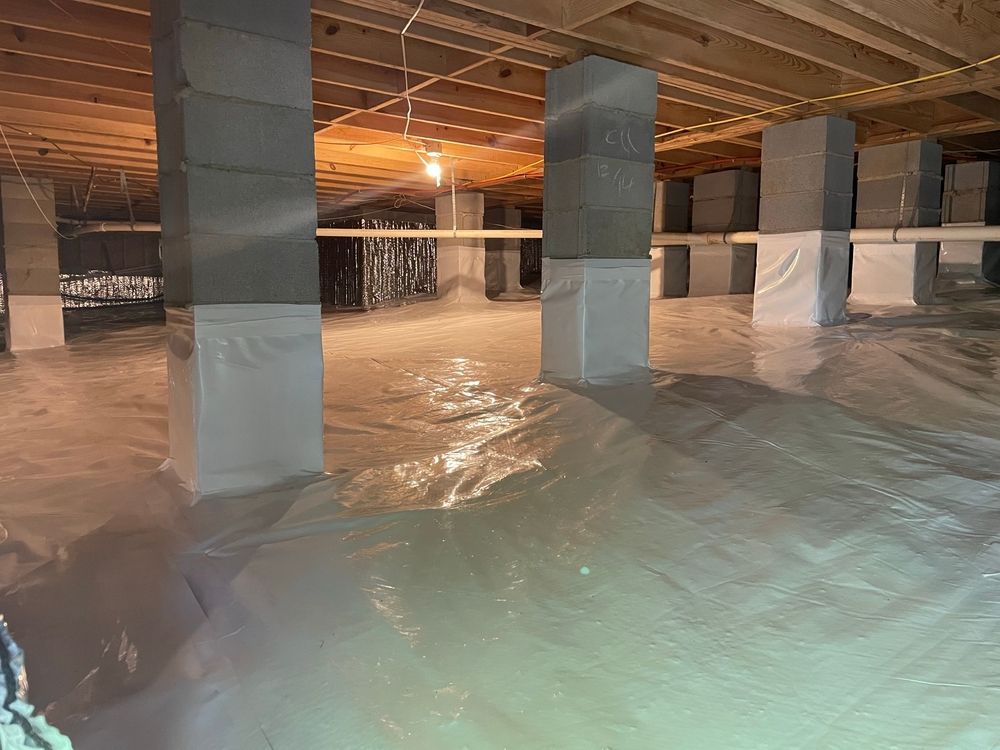
Master Mitigators evaluates your home's indoor air concerns by inspecting your crawl space, foundation, and moisture-prone areas while also assessing radon risk. You'll receive guidance on what steps will improve your indoor air safety, whether that means adjusting ventilation, addressing groundwater issues, or planning for radon mitigation. This consultation is informed by Colorado's climate and common housing construction methods, so the recommendations are practical and specific to how homes in this area are built.
If you want to understand what's affecting your indoor air in Denver, reach out to discuss a consultation that fits your home and concerns.
What Happens During the Evaluation
During your consultation in Denver, a technician will walk through your home focusing on areas where air quality issues typically start: the basement, crawl space, foundation walls, and any visible moisture damage. You'll discuss your concerns, whether that's radon, dampness, or unexplained stuffiness, and the evaluation includes visual inspection and measurements that help identify where soil gas or moisture is entering.
After the evaluation, you'll know whether your home has conditions that support radon accumulation or moisture infiltration, and you'll receive specific guidance on how to address those issues. This might include sealing foundation cracks, improving crawl space ventilation, installing a vapor barrier, or scheduling radon testing to confirm levels before mitigation.
The consultation does not include radon testing equipment installation or mitigation work, but it prepares you with the information needed to make those decisions. It's a starting point that helps you prioritize the right improvements based on what's actually happening in your home, not generalized advice.
Questions That Come Up Before Scheduling
Homeowners in Denver often want to know what the consultation includes, how long it takes, and whether it's necessary if they haven't tested for radon yet.
If you're unsure what's affecting your indoor air or you want to take a informed first step before committing to testing or mitigation, Master Mitigators can walk you through what's happening in your Denver home and what makes sense to address. Contact us to schedule your consultation.