Keep Your Family Safe From Radon
Radon Services for Homeowners
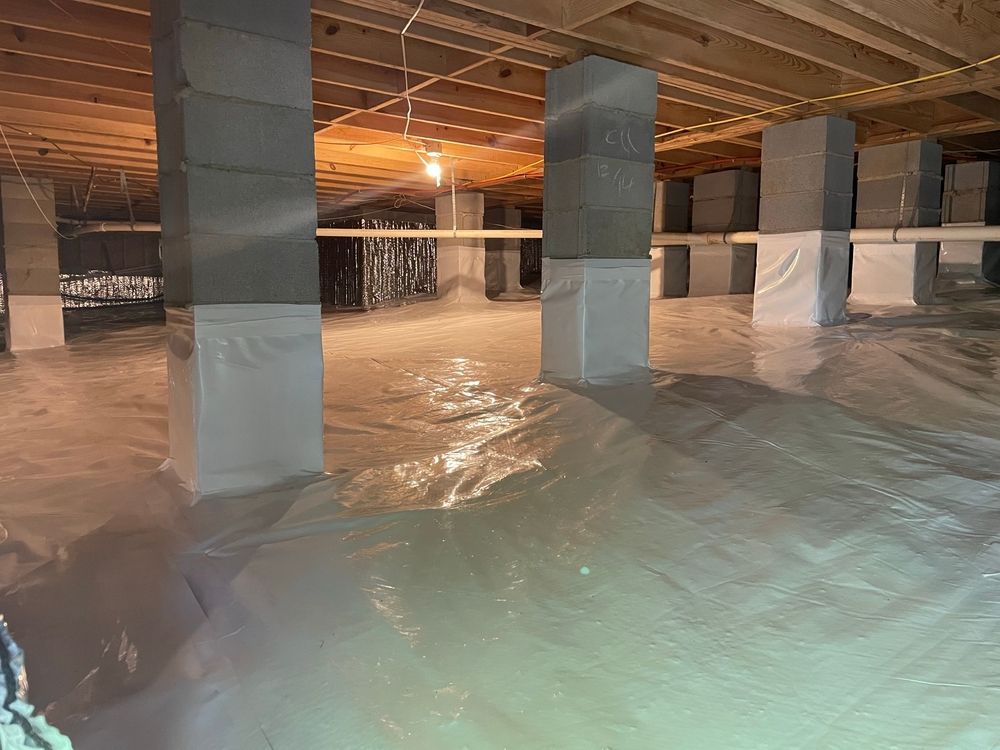
When you live in Colorado, radon is something you need to take seriously. This naturally occurring radioactive gas seeps up through soil and rock, entering homes through cracks in basement floors, slab foundations, and crawl spaces. You cannot see it or smell it, but prolonged exposure increases lung cancer risk for everyone in your household.
Master Mitigators provides professional radon testing and mitigation tailored to occupied homes throughout Denver. We test indoor air to measure radon levels, then design and install systems that pull radon from beneath your foundation and vent it safely outdoors. Our solutions work with basements, slabs, and crawl spaces. We also provide follow-up testing to confirm system performance over time.
If you are ready to find out what radon levels look like in your Denver home, contact Master Mitigators to schedule an evaluation.
How Radon Mitigation Works in Your Home
We start by placing testing devices in the lowest lived-in area of your Denver home, usually a basement or ground-floor room. The test runs for a minimum of 48 hours, measuring radon concentration in picocuries per liter. If results show levels at or above 4.0 pCi/L, mitigation is recommended. We then install a system that typically includes a vent pipe, a fan, and sealing of major entry points.
Once the system is running, radon levels drop noticeably. Most homes see readings fall below 2.0 pCi/L within days of activation. You will not hear much from the fan, and the only visible change inside is usually a small pipe running vertically through a utility area or closet. Outside, the pipe vents above the roofline to disperse the gas safely.
We use materials rated for continuous operation and seal foundation cracks where needed. The system does not require ongoing maintenance beyond occasional fan checks. We return after installation to retest and confirm the mitigation is working as expected. This follow-up step ensures your family is protected long-term, not just immediately after the work is done.
Questions Homeowners Often Ask Before Testing
Homeowners usually have a few concerns before scheduling radon services, especially if this is the first time testing their property. Below are answers to the questions we hear most often.
Why is radon more common?
Master Mitigators works with homeowners throughout Denver to test for radon and install systems that reduce indoor levels for the long term. If you want to know what radon looks like in your home, reach out to schedule testing.