Breathing Should Never Be a Risk
Learn how radon mitigation protects your family's long-term health in Denver.
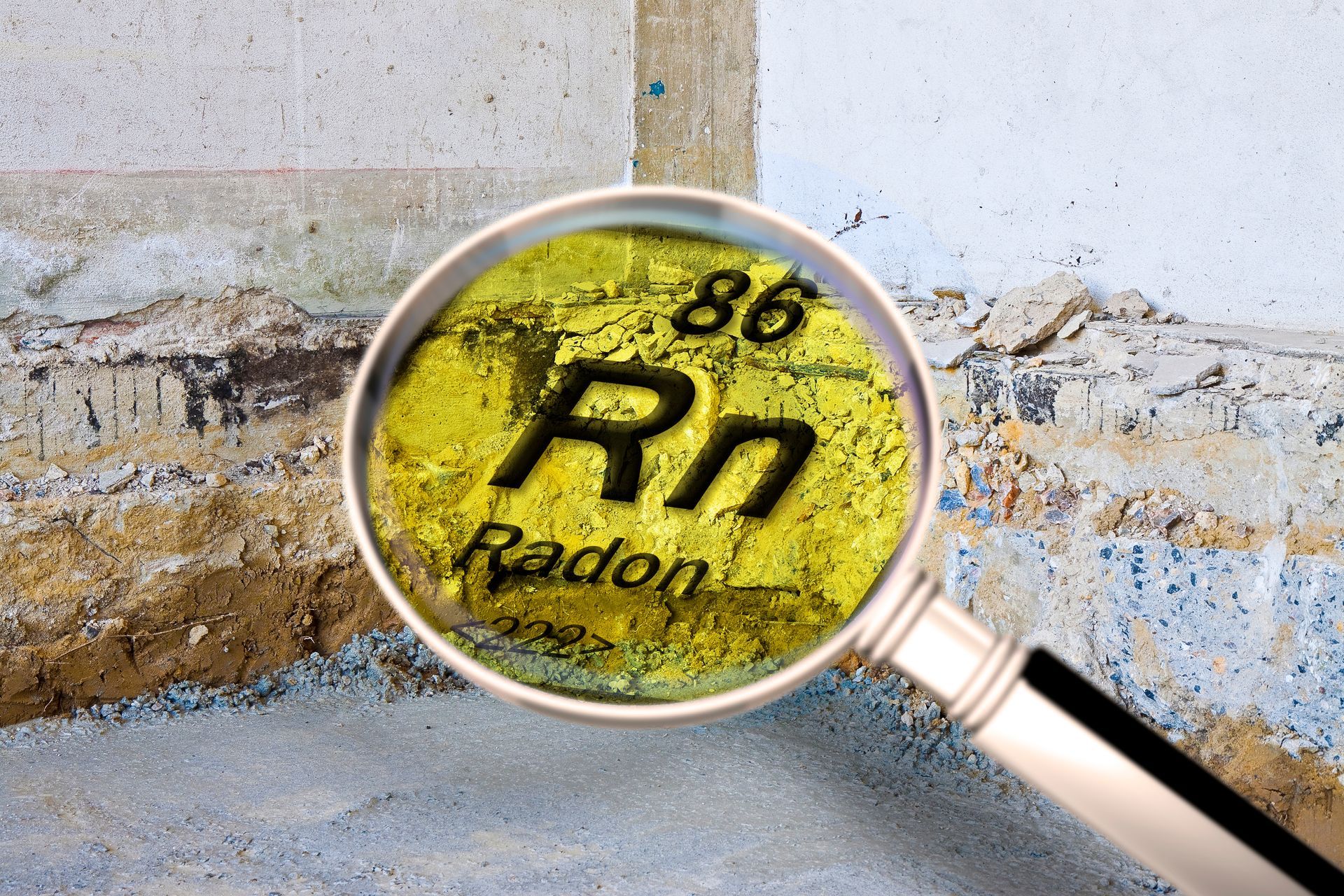
You spend most of your time inside your Denver home, and the air you breathe there directly affects your health. Radon is a colorless, odorless gas that seeps up through the ground and accumulates in basements and lower levels, and long-term exposure is the second leading cause of lung cancer in the United States. In Denver, where soil composition and elevation create conditions that allow radon to concentrate more easily, this risk becomes something you need to address rather than assume away.
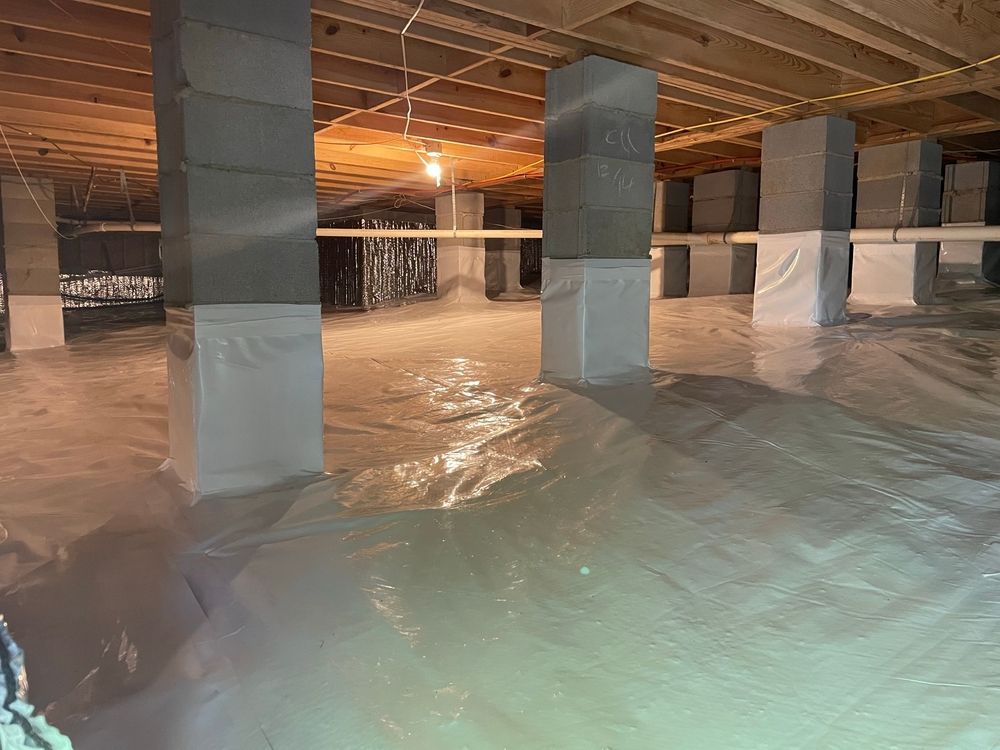
Radon mitigation removes this gas from your home by installing a venting system that pulls it from beneath your foundation and releases it safely above the roofline. Master Mitigators designs each system to match your home's layout and radon levels, which are measured before and after installation to confirm the reduction. The work involves sealing entry points in your foundation and running a vent pipe to redirect the gas flow, so it never builds up in the rooms where you live.
If you want to understand how radon levels in your Denver home compare to safe thresholds, reach out to discuss testing and mitigation options.
What Happens When Radon Goes Unaddressed
When radon accumulates in your Denver home over months and years, it decays into radioactive particles that settle in your lungs when you breathe. These particles damage lung tissue at the cellular level, and that damage can lead to cancer even if you have never smoked. The Environmental Protection Agency estimates that radon causes approximately 21,000 lung cancer deaths in the United States each year, and about 2,900 of those deaths occur among people who have never used tobacco.
After mitigation, the radon level in your home drops to a fraction of what it was before, often below 2.0 picocuries per liter, which is well under the EPA action level of 4.0. You will not feel an immediate difference because radon has no smell or visible presence, but the long-term reduction in exposure means your household is no longer accumulating the cumulative risk that leads to lung disease decades later.
Mitigation does not require you to leave your home during installation, and the system runs continuously using a low-wattage fan that costs a few dollars per month to operate. Testing should be repeated every two years to confirm the system continues to perform as intended, especially after any foundation work or significant remodeling that could alter airflow patterns.
Questions Homeowners Ask Before Testing or Installing a System
Homeowners often want to know how radon levels are measured, how quickly mitigation works, and whether the system will need ongoing maintenance once it is installed.
Master Mitigators installs systems that reduce radon exposure in Denver homes, using methods that fit your foundation type and indoor layout. If you want to schedule testing or discuss mitigation before radon becomes a long-term health concern, contact us to review your options.