Lower Radon Levels in Your Home
Residential Radon Mitigation Systems in Denver, Colorado
Your home in Denver may have elevated radon levels due to the uranium-rich soil common throughout Colorado. Radon enters through cracks in the foundation, gaps around utility lines, and porous concrete, and it accumulates in basements and lower levels where your family spends time. A mitigation system actively removes radon from beneath your home and vents it safely above the roofline, reducing indoor concentrations to safer levels.
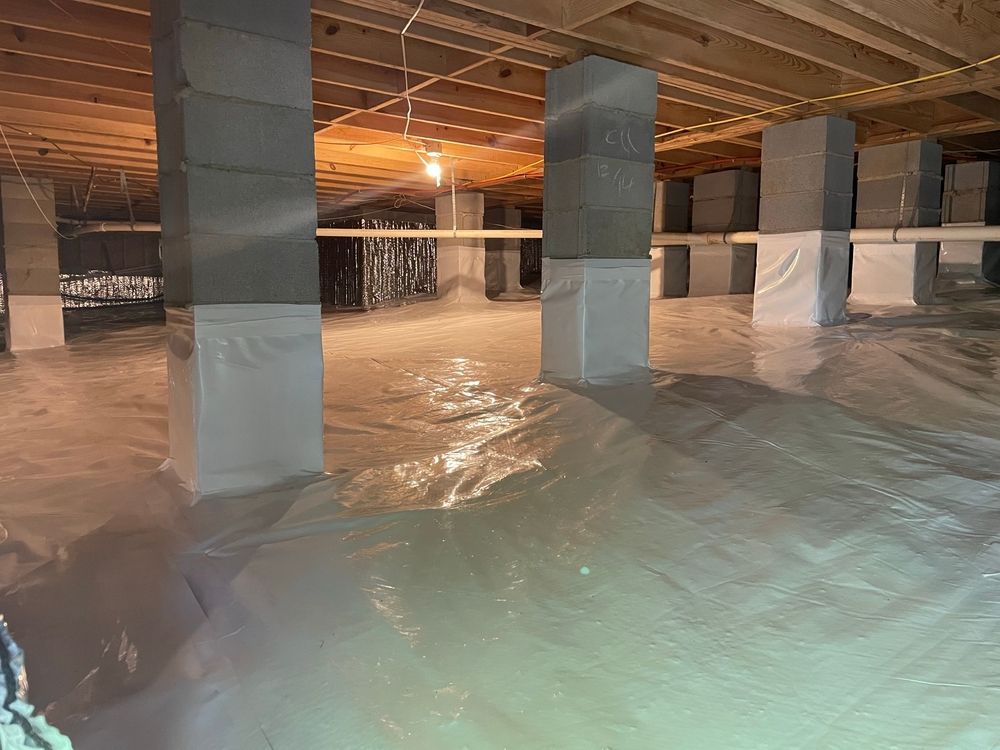
Master Mitigators designs custom mitigation systems based on your home's foundation type, whether it's a poured concrete slab, crawl space, or basement. The system typically includes a vent pipe, a radon fan, and sealing work around entry points. Colorado foundation types and housing styles require different approaches, and the design process accounts for your home's layout, the severity of your radon problem, and how the system will integrate with your existing structure.
If you've tested your Denver home and found radon levels at or above 4.0 pCi/L, reach out to discuss a mitigation system designed for your property.
How the System Works in Your Home
A residential radon mitigation system in Denver works by creating negative pressure beneath your foundation. A vent pipe is installed through the slab or into the crawl space, and a radon fan pulls air from below the house and exhausts it through a pipe that extends above the roofline. This prevents radon from entering your living space and redirects it outdoors where it disperses harmlessly.
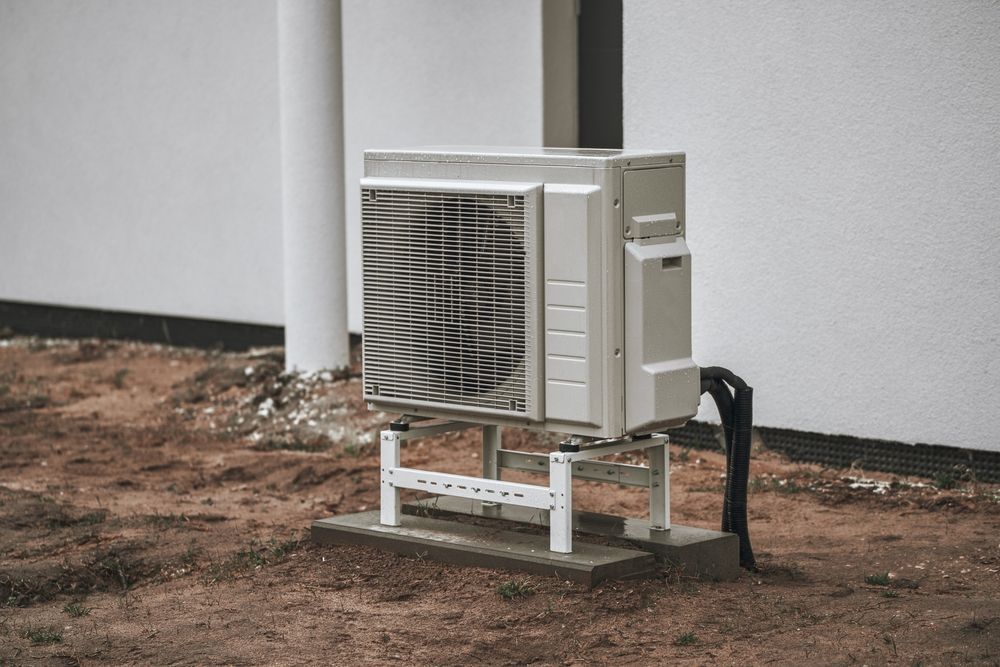
After installation, you'll notice the system running quietly in the background. Most fans are mounted in attics, garages, or on exterior walls, and they operate continuously to maintain reduced radon levels. Follow-up testing confirms that the system is working as intended, and results typically show a significant drop in radon concentration within days of activation.
The system is designed with quiet, efficient components that integrate with your home's exterior and interior without major disruption. Sealing work around cracks and gaps further reduces radon entry points. Master Mitigators installs systems that meet industry best practices and are built for long-term operation across the Front Range.
Common Concerns About Mitigation
Homeowners often have practical questions about how mitigation systems are installed and what to expect after the work is done.
If your Denver home has tested high for radon and you're ready to move forward with mitigation, contact Master Mitigators to request a residential estimate based on your home's foundation and radon level.