Elevated Radon in Your Wheat Ridge Home Stops Entering the Moment the Fan Turns On
How Jefferson County Soil Conditions Determine the Right Mitigation System Design
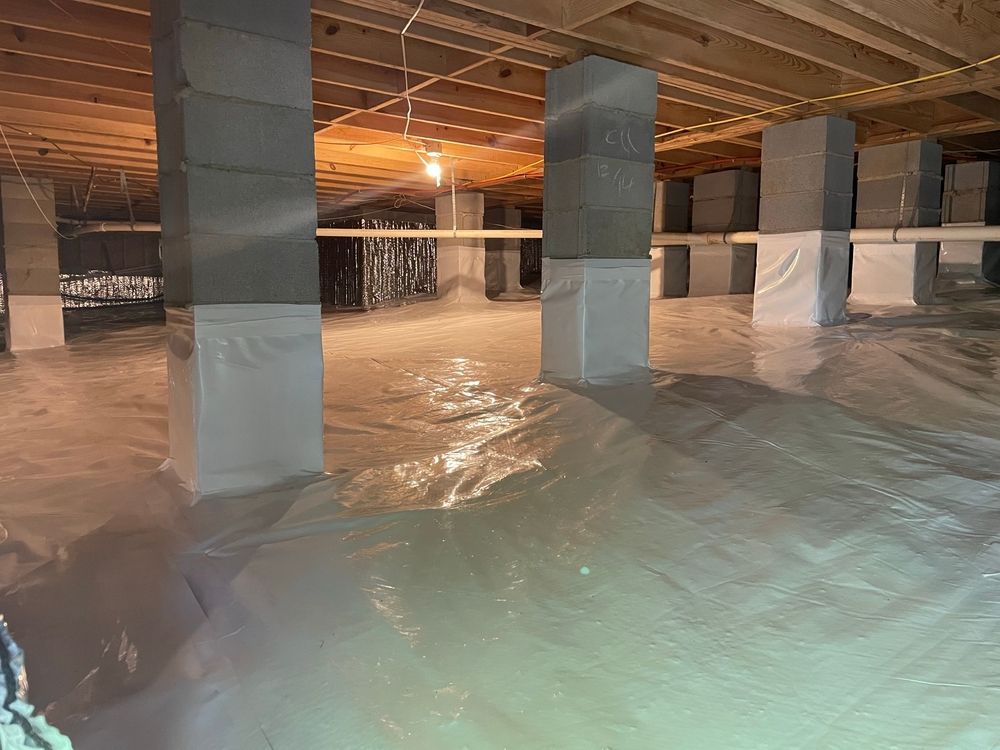
When a radon test in Wheat Ridge comes back above 4.0 pCi/L, the measurement is telling you something specific: soil gas beneath your foundation is under enough pressure to push radon continuously into your living space through whatever pathways are available. In Jefferson County, where the bedrock transitions from Front Range granitic soils to the clay and cobble mix common in older Wheat Ridge neighborhoods near Youngfield Street and 44th Avenue, sub-slab conditions vary block by block. That variability is why a mitigation system designed without a diagnostic pressure field test may exhaust radon from one corner of the slab while leaving the other half essentially untreated. Master Mitigators performs a diagnostic suction test before finalizing any system design in Wheat Ridge, confirming that airflow communicates across the entire foundation footprint.
Active sub-slab depressurization works by installing a suction point through the slab, connecting it to a dedicated PVC pipe, and running a continuously operating fan that maintains negative pressure beneath the foundation. Because the zone beneath the slab is held at lower pressure than the interior of the home, radon that would have seeped upward is instead pulled laterally toward the suction point and exhausted above the roofline. Post-installation testing in Wheat Ridge homes typically shows radon concentrations dropping from above 8.0 pCi/L to below 2.0 pCi/L within 48 hours of system activation.
What Happens During a Wheat Ridge Radon Mitigation Installation
Installation begins with drilling a four-inch core through the basement slab at the location identified during the pressure field diagnostic — typically near an interior wall where sub-slab material provides the best airflow communication. PVC pipe is routed from the suction point through the interior of the home or along an exterior wall, terminating at least twelve inches above the roofline and away from windows or air intakes. All slab penetrations, floor drain connections, and visible foundation cracks are sealed with polyurethane caulk to prevent air short-circuiting that would reduce the system's effective suction range.
Fan selection is based on the measured suction characteristics of your specific sub-slab — a home with dense clay beneath the slab requires a different fan curve than one with granular sub-base material. After activation, a u-tube manometer is installed in the pipe to provide a visible pressure indicator that confirms the system is operating; if the fluid level is even, the fan has stopped. Post-installation testing is completed 24 to 48 hours after activation, and the certified results document is provided for homeowner records and future real estate disclosure. Contact us to schedule radon mitigation services in Wheat Ridge and get a confirmed post-installation result in writing.
Why Wheat Ridge Radon Levels Return Without Proper System Design
Radon mitigation systems that aren't matched to actual site conditions in Wheat Ridge often show initial improvement followed by gradual level increases as the system fails to address all entry pathways. Here are the specific failure modes that occur when system design shortcuts are taken:
- Single suction points installed without pressure field testing leave areas of the Wheat Ridge slab with no negative pressure coverage, allowing radon entry to continue in untreated zones
- Oversized fans in clay-heavy sub-slab conditions draw in exterior air rather than soil gas, reducing suction efficiency while increasing electricity consumption
- Unsealed slab cracks and open sumps act as air leaks that short-circuit the depressurization zone and prevent radon from being fully captured
- Exhaust terminations placed too close to foundation vents or basement windows allow exhausted radon to re-enter the building through passive air intake paths
- Incorrect fan selection for Jefferson County's variable sub-slab conditions results in motor burnout within two to three years, restoring elevated radon levels without visible warning
Avoiding these outcomes requires diagnostic work before installation, not just drilling and hoping the system performs. Learn More about professional radon mitigation services in Wheat Ridge and get a system built for your specific foundation conditions.