Which Radon System Installation Works Best in Lakewood, CO?
Radon system installation in Lakewood, CO includes active mitigation with proper venting, fan placement, and sealing for basements, crawl spaces, and slab foundations to reduce radon effectively.
How Is a Mitigation System Customized for Your Home?
Professional installers assess your foundation type, radon entry points, and home layout to design a system with optimal suction points, piping routes, and fan capacity tailored to your specific structure.
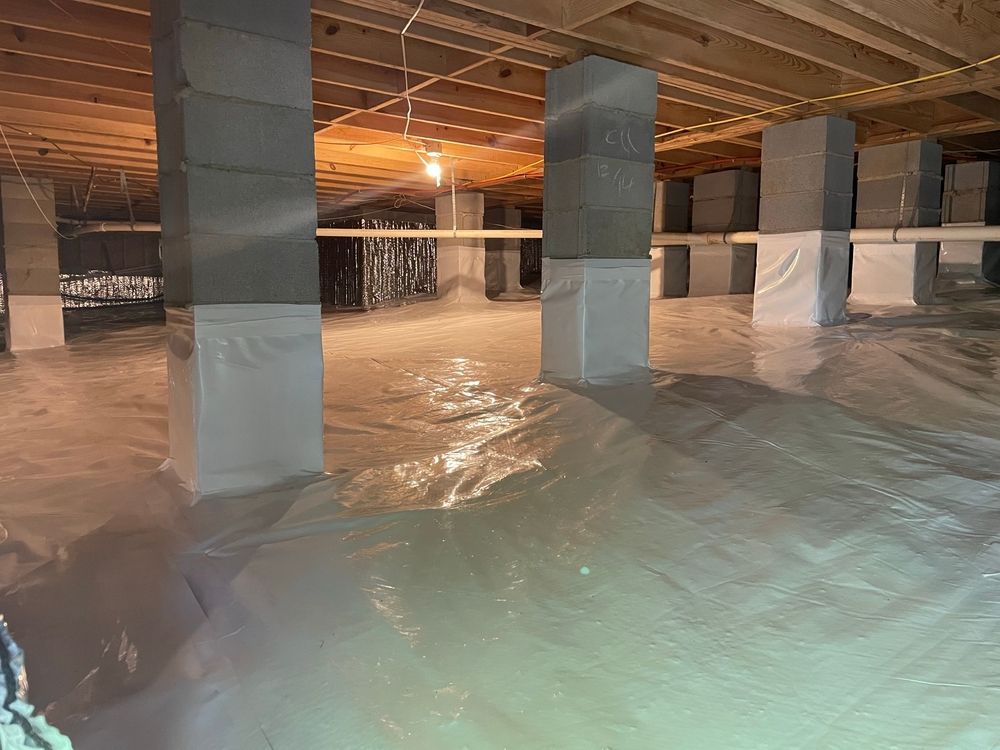
Every home is different. Basements may have multiple cracks or sumps where radon enters, while crawl spaces require vapor barriers and separate venting strategies.
Installers drill one or more suction points through the slab or footer and connect them to PVC piping. The pipe routes through your home to an exterior or attic-mounted fan that exhausts radon above the roofline.
Sealing visible cracks and gaps in the foundation is part of the process. While sealing alone cannot stop radon, it improves system efficiency by limiting air leaks and directing suction where it's needed most.
What Are the Key Components of an Active System?
Active radon systems include a vent pipe network beneath the slab, a dedicated radon fan, exterior exhaust termination, and a system monitor to alert you if the fan stops working.
The fan is the heart of the system. It creates continuous negative pressure under your foundation, pulling radon out before it can rise into your home.
Fans are mounted in unconditioned spaces like attics or garages, or on exterior walls. They run quietly and use minimal electricity, often less than a standard light bulb.
A monitor or pressure gauge provides visual confirmation that the system is operating. If the fan fails, the monitor alerts you so you can arrange for service before radon levels climb.
For comprehensive protection, some homeowners combine mitigation with sump pump installation in Lakewood, CO to manage groundwater and prevent moisture from interfering with radon system performance.
Can Radon Systems Be Installed in Winter?
Yes, radon systems can be installed year-round in Lakewood, CO, though frozen ground and snow may require adjustments to scheduling, drilling techniques, and exterior piping insulation.
Winter installations are common because radon levels often spike when homes are closed up and heating systems create negative pressure. Addressing the problem quickly protects your family during peak exposure months.
Contractors may use heated tools to drill through frozen concrete or soil. Exterior piping is insulated to prevent condensation from freezing inside the vent pipe, which could block airflow.
Indoor work, such as sealing cracks and installing interior piping, is unaffected by weather. Most installations take one day, so disruption to your household is minimal regardless of season.
Why Do Lakewood Homes Show Variable Radon Levels?
Lakewood, CO sits on a mix of alluvial soils and weathered bedrock from the Rocky Mountain foothills, creating pockets of higher uranium content that lead to unpredictable radon distribution even within the same block.
The city's terrain includes areas with clay, sand, and gravel deposits that affect how easily radon moves through soil. Homes on well-drained lots may have different radon levels than those on clay-heavy sites just across the street.
Elevation changes also matter. Homes on slopes or near drainages can experience shifts in groundwater and soil gas movement that influence radon entry over time.
Testing is the only reliable way to know your home's radon level. Neighbors near me in Lakewood often see very different results, so assumptions based on nearby properties are not safe.
Professional installation ensures your system is built to handle your home's unique conditions. Proper design and quality components provide reliable radon reduction and long-term performance.
If you're interested in additional air quality improvements, consider indoor air quality consultation services in Lakewood, CO to address ventilation, humidity, and other factors alongside radon mitigation.
Compare your options and see how a custom radon system protects your home by calling Master Mitigators at 720-471-7041.