Key Benefits of New Construction Radon Systems in Aurora, CO
New construction radon systems in Aurora, CO include passive and active designs installed during building to prevent radon entry before families move in, saving time and money.
How Are Passive Radon Systems Installed?
Passive radon systems use a vent pipe embedded in the gravel layer beneath the foundation slab, routed vertically through the building and exhausted above the roofline without mechanical fans.
Builders install these systems during the foundation phase. A layer of clean gravel is placed under the slab to create an air channel, and a perforated pipe collects radon gas from this layer.
The pipe is sealed into the slab and extends upward through interior walls or chases. Natural air pressure and the stack effect draw radon gas up and out of the home without requiring electricity.
Passive systems are cost-effective when installed during construction. If post-occupancy testing shows elevated radon, adding a fan converts the passive system into an active one with minimal additional work.
What Makes Active Systems More Effective?
Active radon systems include an inline fan that creates continuous negative pressure beneath the slab, pulling radon away from the foundation and exhausting it outside more reliably than passive venting alone.
The fan is typically mounted in an attic or exterior wall and operates quietly around the clock. This consistent suction prevents radon from ever entering your living spaces, even during calm weather or low natural airflow.
Active systems are recommended when soil radon levels are high or when passive testing shows results near or above EPA action levels. The fan ensures radon reduction regardless of seasonal changes.
Builders in Aurora, CO often plan for active systems from the start, especially in neighborhoods near me where soil testing indicates higher radon potential. Pre-wiring and vent routing during construction simplify future activation.
Can You Add Radon Protection to Existing Plans?
Yes, radon-resistant construction features can be added to most home plans during the design or permitting phase with minimal cost, including vapor barriers, vent pipes, and fan rough-ins.
Incorporating radon protection early is far less expensive than retrofitting after the home is finished. Builders coordinate with excavation, concrete, and framing crews to install components at the right stages.
Building codes in many Colorado communities encourage or require radon-resistant construction. Even if your jurisdiction does not mandate it, adding these features is a smart investment in long-term health and resale value.
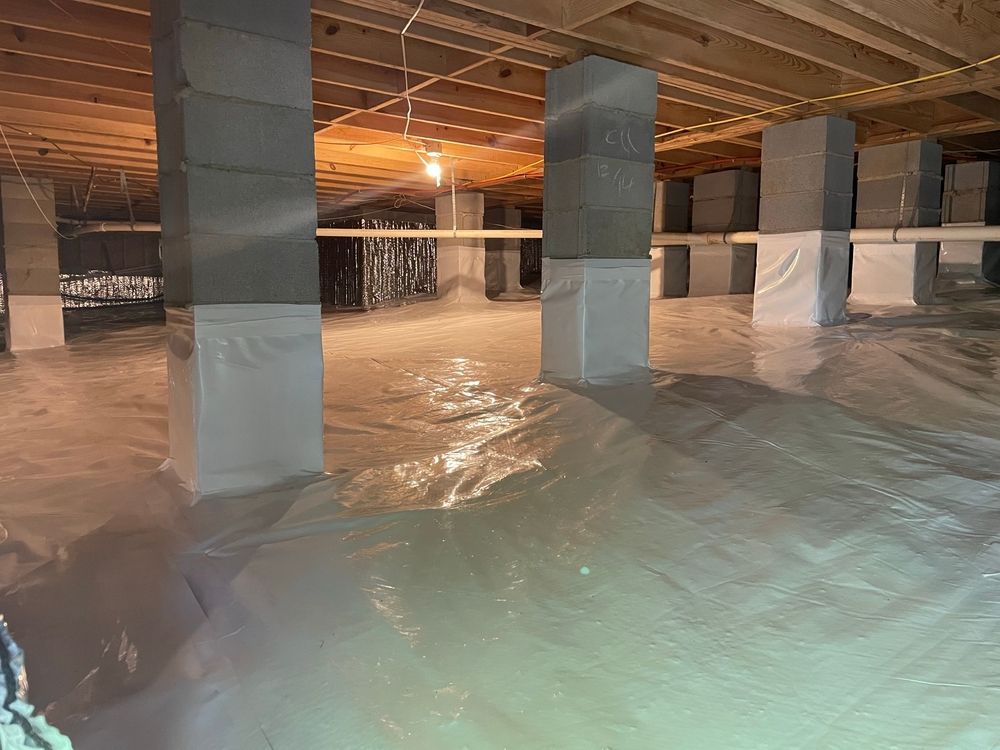
For projects that also involve moisture control, crawl space encapsulation in Aurora, CO can complement radon systems by sealing off soil gas entry points and improving overall indoor air quality.
Why Is Aurora's Building Boom Increasing Radon Awareness?
Aurora, CO has expanded rapidly onto land with varying soil types, some of which contain elevated uranium levels, prompting builders and buyers to prioritize radon testing and mitigation in new developments.
As new neighborhoods rise on previously undeveloped land, builders encounter diverse geologic conditions. Pre-construction soil testing helps identify radon risk and guides decisions about passive versus active system installation.
Homebuyers today are better informed about radon and often request documentation of radon-resistant features during walkthroughs and closings. This demand encourages builders to include radon systems as standard practice.
Local awareness campaigns and real estate disclosures have made radon a routine consideration in Aurora's housing market, benefiting both new construction and existing home sales.
Installing radon protection during construction is the most efficient way to safeguard your investment. You gain peace of mind and a healthier home from day one, without the disruption of retrofit work later.
For homes needing ongoing protection, services like radon system maintenance in Aurora, CO ensure your system continues performing effectively year after year.
Plan your new construction radon system with Master Mitigators by calling 720-471-7041 today.