Compare Commercial Radon Mitigation Methods in Lakewood, CO Buildings
Commercial radon mitigation in Lakewood, CO relies on engineered systems with larger capacity fans and strategic extraction points to protect offices, multi-unit buildings, and warehouses from radon exposure across expansive floor plans.
How Do Commercial Radon Systems Differ From Residential Ones?
Commercial systems require higher airflow capacity, multiple suction points, and custom vent routing to address larger square footage and complex foundation layouts found in office buildings and multi-tenant properties.
Residential radon mitigation typically uses a single fan and one or two suction points beneath the foundation. Commercial buildings demand more robust equipment because they cover thousands of square feet and often include basements, slabs, and below-grade parking areas. Engineers calculate the required fan capacity based on soil permeability, building footprint, and the number of radon entry points identified during pre-installation testing.
Multiple extraction points ensure even pressure distribution beneath the foundation. Vent pipes may need to route through mechanical chases, rooftops, or exterior walls in ways that comply with building codes and avoid disrupting tenant spaces. Professional commercial radon mitigation also considers HVAC interactions, fire safety codes, and accessibility for future maintenance.
Which Commercial Properties Face the Highest Radon Risk?
Office buildings with below-grade workspaces, older warehouses with slab foundations, and multi-unit residential properties all experience elevated radon risk due to extended occupancy hours and limited natural ventilation.
Properties with basements or ground-level offices in radon-prone zones see higher baseline concentrations. Warehouses and storage facilities often lack mechanical ventilation, allowing radon to accumulate over time. Multi-unit buildings such as apartments or condos place many occupants at risk simultaneously, making mitigation a priority for property managers and owners.
Lakewood's diverse commercial real estate includes older buildings constructed before radon awareness became standard. Testing all occupied below-grade spaces helps property owners understand their liability and plan appropriate mitigation. Learn about real estate radon services in Lakewood that provide testing and mitigation during property transactions.
Do Multi-Unit Buildings Need Individual Radon Systems?
Multi-unit buildings may use centralized mitigation systems with shared fans and vent networks or individual systems for each unit depending on foundation type, building layout, and radon concentration patterns.
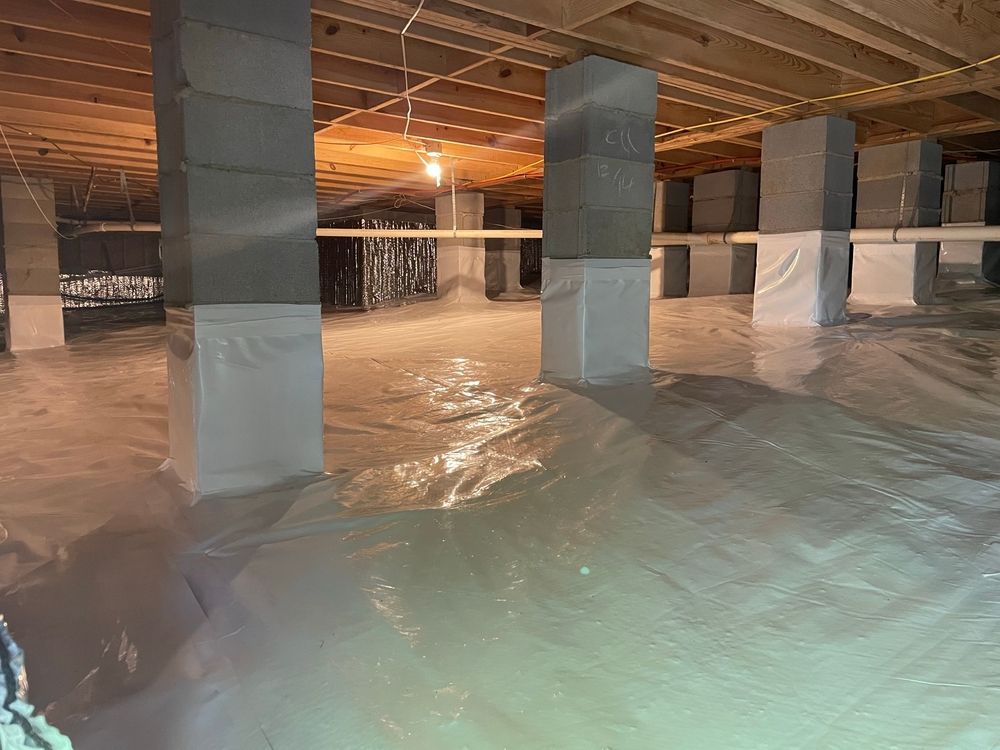
Centralized systems are cost-effective for buildings with common basements or interconnected crawl spaces. A single high-capacity fan and network of suction points can protect multiple units simultaneously. However, buildings with separate foundations or isolated slabs may require individual systems to ensure complete coverage.
Testing individual units before design helps engineers determine the most efficient approach. If radon levels vary significantly across units, customized solutions may be necessary. Property managers benefit from professional assessments that weigh upfront costs against long-term maintenance and tenant safety.
Can You Mitigate Radon in Occupied Commercial Spaces?
Radon mitigation installation in occupied commercial spaces is possible with careful planning to minimize noise, disruption, and downtime, often using phased work schedules and temporary barriers.
Contractors coordinate with building managers to schedule drilling, fan installation, and vent pipe routing during evenings, weekends, or low-occupancy periods. Temporary barriers and dust control measures protect workers and tenants from construction activity. In tenant-occupied buildings, advanced notice and clear communication reduce complaints and confusion.
Some mitigation work requires brief closures of specific areas, but entire buildings rarely need to shut down. Professional commercial mitigation teams work efficiently to restore normal operations as quickly as possible while ensuring all components are installed correctly and tested thoroughly.
How Do Lakewood's Commercial Zoning Patterns Affect Radon Mitigation?
Lakewood's mix of older industrial areas and modern office parks means commercial radon systems must adapt to varied foundation types, building ages, and occupancy patterns across the city.
Older commercial districts include warehouses and retail spaces built on slab foundations with minimal radon barriers. These properties often require retrofit systems with multiple suction points. Newer office developments may include passive radon features that can be activated with a fan, reducing installation complexity. Mixed-use buildings combine residential and commercial spaces, requiring integrated mitigation strategies that protect all occupants.
Zoning regulations and building codes influence vent pipe placement, noise limits, and exterior appearance requirements. Working with contractors familiar with Lakewood's commercial landscape ensures your system meets all local requirements. Explore radon testing services in Lakewood to establish baseline measurements and inform your mitigation design.
Commercial radon mitigation protects employee health, reduces liability, and ensures regulatory compliance. Professional commercial radon mitigation in Lakewood, CO delivers scalable solutions tailored to your building's size, layout, and occupancy needs. Start your project with Master Mitigators at (720) 471-7041 to design and install a system that keeps your property safe and compliant.