Do Crawl Space Encapsulation Systems Lower Radon in Denver, CO?
Crawl space encapsulation in Denver, CO uses heavy-duty polyethylene vapor barriers to block moisture and soil gas intrusion, reducing radon entry and protecting your foundation from long-term damage.
How Do Vapor Barriers Block Radon Entry?
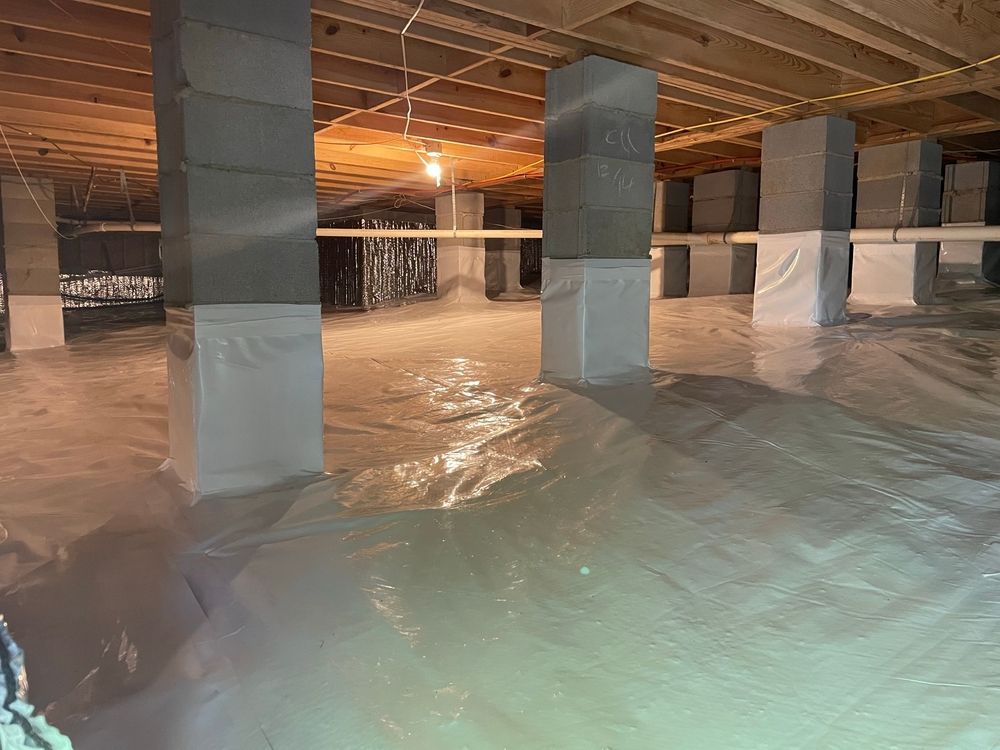
A vapor barrier creates a sealed layer over exposed soil, preventing radon gas and moisture from rising into your crawl space and circulating through your home's living areas.
Professional installation begins with clearing debris and leveling the crawl space floor. Technicians then lay thick polyethylene sheeting across the entire soil surface, overlapping seams by several inches and sealing them with heavy-duty tape. The barrier extends up foundation walls and attaches securely to prevent gaps. This continuous seal stops radon-laden soil gas from entering the crawl space through cracks, pores, and openings in the dirt floor.
Encapsulation alone may not eliminate high radon levels, but it significantly reduces radon pathways. When combined with active depressurization, the system pulls remaining radon from beneath the barrier and vents it outdoors, ensuring your home stays below recommended safety thresholds.
What Moisture Problems Does Encapsulation Solve in Denver Crawl Spaces?
Encapsulation controls humidity, prevents mold growth, and protects wooden floor joists from rot by stopping groundwater vapor from saturating your crawl space environment.
Denver's dry climate does not eliminate crawl space moisture issues. Groundwater and seasonal snowmelt can still raise humidity levels beneath your home. High moisture creates conditions for mold, wood decay, and musty odors that infiltrate living spaces. A vapor barrier stops moisture at the source, keeping your crawl space dry year-round.
Lower humidity also improves heating and cooling efficiency. Damp air is harder to heat or cool, so sealing your crawl space reduces energy waste. Homeowners often notice improved comfort and lower utility bills after encapsulation. Discover how sump pump installation services in Denver can further manage groundwater and support crawl space dryness.
Can You Encapsulate a Crawl Space Without Professional Help?
DIY encapsulation may seem cost-effective, but improper sealing, inadequate materials, and missed moisture sources often lead to incomplete protection and recurring radon or moisture problems.
Effective encapsulation requires precise measurements, durable materials rated for long-term soil contact, and careful attention to seams, corners, and wall connections. Professionals assess your crawl space for existing moisture damage, drainage issues, and structural concerns before installation. They also ensure the vapor barrier integrates with any existing radon mitigation systems or foundation vents.
If your crawl space has standing water, uneven floors, or significant mold growth, these issues must be addressed before encapsulation. Skipping these steps traps moisture and contaminants under the barrier, worsening air quality instead of improving it. Professional installation guarantees proper preparation and lasting results.
Which Denver Neighborhoods Have Higher Crawl Space Radon Risk?
Older Denver neighborhoods with crawl space foundations and minimal ventilation face elevated radon risk because soil gas accumulates more easily in enclosed, unfinished spaces beneath homes.
Many homes built before modern building codes lack passive radon systems or adequate crawl space ventilation. Areas with clay-rich soils or elevated natural radon zones see higher baseline concentrations. Crawl spaces in these neighborhoods benefit most from combined vapor barrier installation and active radon mitigation. If you live in an older Denver home with a crawl space, testing your radon levels is the first step toward understanding your risk.
Even newer construction can benefit from encapsulation if the builder did not include moisture or radon barriers during the original build. Testing and professional evaluation provide clarity on whether your home needs retrofitting.
How Does Denver's Altitude Influence Crawl Space Conditions?
Denver's mile-high elevation creates lower atmospheric pressure, which can increase the rate at which soil gas enters crawl spaces and homes through foundation openings and cracks.
Lower barometric pressure means indoor-outdoor pressure differences favor soil gas movement into your home. This natural pressure gradient makes radon mitigation and moisture control even more important for Denver homeowners. Encapsulation combined with mechanical depressurization counteracts this effect by creating controlled negative pressure beneath the vapor barrier, preventing radon entry regardless of altitude-related pressure shifts.
Seasonal pressure changes and winter heating also amplify the stack effect, pulling more soil gas upward through your foundation. A properly sealed crawl space minimizes these pathways year-round.
Encapsulation delivers multiple benefits beyond radon reduction, including moisture control, energy savings, and structural protection. Professional crawl space encapsulation in Denver, CO ensures your vapor barrier is installed correctly and works as part of a comprehensive indoor air quality strategy. Connect with Master Mitigators at (720) 471-7041 to start planning your encapsulation project and improve your home's safety and comfort.