Understanding Indoor Air Quality Consultation for Fort Collins, CO Homes
Indoor air quality consultation in Fort Collins, CO includes comprehensive evaluation of radon levels, moisture issues, and ventilation performance, helping homeowners identify hidden risks and plan effective solutions for healthier air.
What Does an Indoor Air Quality Consultation Include?
A consultation examines radon concentrations, humidity levels, ventilation effectiveness, and foundation conditions to uncover factors that compromise your home's air safety and comfort.
The process begins with a walkthrough of your home, focusing on basements, crawl spaces, and areas with poor airflow. A specialist places radon testing equipment in the lowest occupied level to measure gas concentrations over several days. Moisture meters check for dampness in walls, floors, and foundation areas. The inspector also evaluates HVAC performance, foundation cracks, and potential soil gas entry points.
After collecting data, the consultant provides a detailed report outlining radon levels, moisture sources, and ventilation deficiencies. The report includes prioritized recommendations such as radon mitigation, vapor barrier installation, or HVAC adjustments. This information empowers you to address the most critical issues first.
How Do Radon and Moisture Interact in Fort Collins Homes?
High moisture levels can accelerate radon entry by creating pressure imbalances and widening foundation cracks, while radon mitigation systems often help control humidity as a secondary benefit.
Moisture in basements or crawl spaces often signals poor drainage or inadequate foundation sealing. These same conditions allow radon gas to enter more easily. Damp soil around your foundation can shift and settle, opening new cracks or widening existing ones. Active radon mitigation systems that depressurize the soil beneath your home also reduce moisture vapor movement, creating a drier indoor environment.
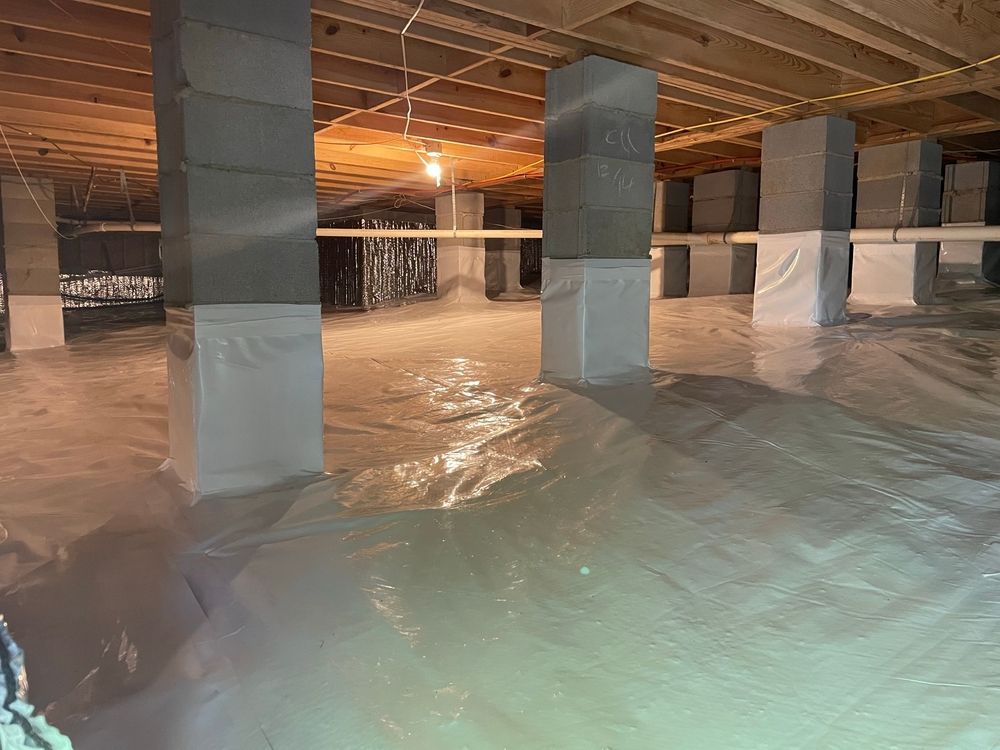
Addressing both concerns together is more effective than tackling them separately. For example, encapsulating a crawl space with a vapor barrier reduces both radon pathways and humidity. Learn about residential radon mitigation services in Fort Collins that integrate moisture control strategies.
Can Poor Ventilation Increase Radon Concentrations Indoors?
Inadequate ventilation traps radon gas inside your home, allowing concentrations to rise even if entry rates remain constant, because fresh outdoor air is not diluting indoor radon levels.
Modern energy-efficient homes are built tightly to conserve heating and cooling. While this reduces utility costs, it limits natural air exchange. Without mechanical ventilation or an active radon mitigation system, radon accumulates in enclosed spaces. Opening windows periodically helps, but it is not a reliable long-term solution, especially during Colorado winters.
Mechanical ventilation systems such as heat recovery ventilators can improve air exchange without sacrificing energy efficiency. However, ventilation alone rarely lowers radon to safe levels if concentrations are already elevated. A combination of improved ventilation and active mitigation delivers the best results.
What Foundation Issues Should Fort Collins Homeowners Monitor?
Cracks in basement walls, gaps around utility lines, and settling slabs create pathways for radon entry and moisture intrusion, requiring regular inspection and prompt sealing to maintain indoor air quality.
Colorado's clay-rich soils expand and contract with moisture changes, placing stress on foundations. Seasonal freeze-thaw cycles worsen this effect, causing small cracks to widen over time. Even minor foundation damage can allow significant radon entry because soil gas is drawn into negative-pressure areas inside your home.
During a consultation, inspectors identify visible foundation issues and recommend sealing or structural repairs. Addressing these vulnerabilities early prevents radon levels from increasing and reduces the load on your mitigation system. Regular foundation maintenance also protects your home's structural integrity and resale value.
How Do Fort Collins Building Codes Address Indoor Air Quality?
Fort Collins encourages radon-resistant construction practices in new homes, but existing homes often lack these features and benefit from professional air quality assessments to identify retrofit needs.
New construction in Fort Collins may include passive radon systems, which consist of vent pipes installed during building but without an active fan. These systems can be activated later if radon testing reveals elevated levels. However, most older homes were built before radon awareness became widespread and require full mitigation systems.
Indoor air quality consultations help homeowners understand whether their property includes passive radon features or needs a complete retrofit. This knowledge informs budgeting and project planning. Even homes with low radon levels benefit from baseline testing and periodic retesting to detect changes over time. Explore radon testing services in Fort Collins for accurate measurement and peace of mind.
Indoor air quality consultation provides clarity and direction when you suspect radon, moisture, or ventilation problems. Professional evaluation in Fort Collins, CO identifies specific risks and recommends solutions tailored to your home's construction and environment. Experience better air safety and comfort by scheduling your consultation with Master Mitigators at (720) 471-7041 and taking the first step toward healthier indoor air.