How Residential Radon Mitigation Protects Homes in Centennial, CO
Residential radon mitigation in Centennial, CO uses custom sub-slab depressurization systems, vent pipe installation, and foundation sealing to lower radon levels in basements, slabs, and crawl spaces effectively.
How Does Sub-Slab Depressurization Work in Centennial Homes?
Sub-slab depressurization creates negative pressure beneath your foundation, pulling radon gas from the soil before it enters your living space through cracks or gaps.
A radon mitigation professional drills a small hole through the basement floor or slab and inserts a PVC vent pipe. This pipe connects to a fan mounted outside or in the attic, which runs continuously to draw radon-laden air from below the foundation. The contaminated air vents safely above the roofline, away from windows and doors. This system works well in most Centennial homes because it targets the primary radon entry point.
Sealing visible foundation cracks and gaps around utility penetrations further reduces radon pathways. While sealing alone does not eliminate radon, it supports the depressurization system by limiting soil gas movement. The combination of active venting and strategic sealing delivers measurable radon reduction.
Which Foundation Types Need Custom Mitigation Design?
Basements, slab-on-grade foundations, and crawl spaces each require tailored approaches because radon entry points and airflow patterns differ significantly across these structures.
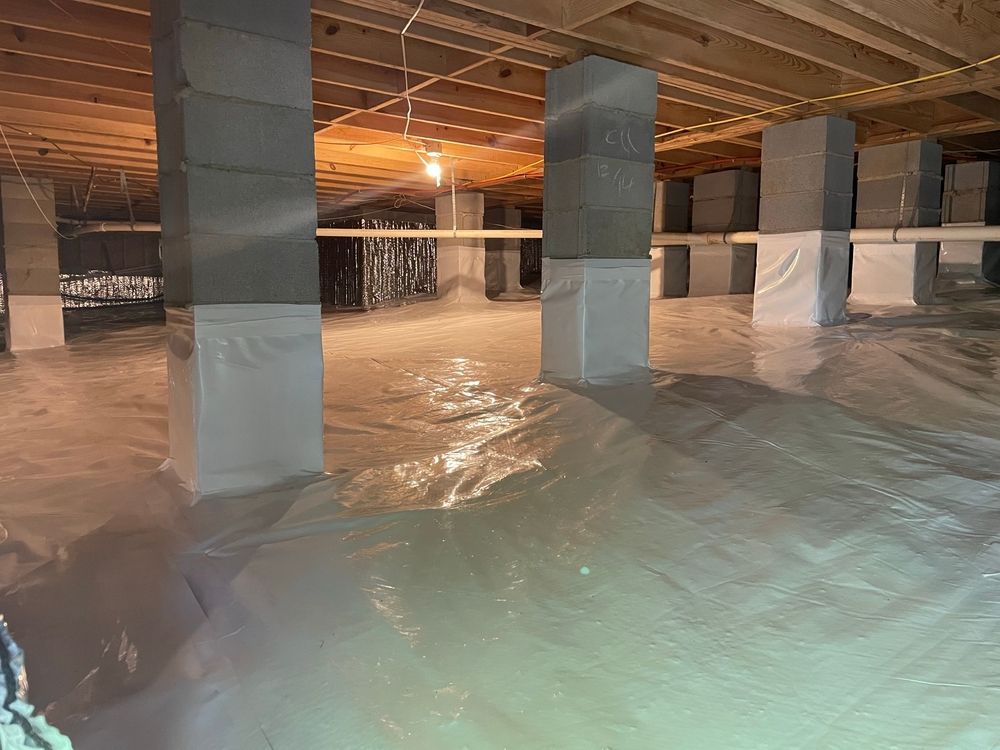
Homes with full basements often use a single suction point under the slab. If the basement includes multiple rooms or a finished area, additional extraction points may improve system performance. Slab-on-grade homes typically need one or two suction points depending on square footage and soil permeability. Crawl space foundations benefit from vapor barrier installation combined with depressurization to manage both moisture and radon. Learn more about crawl space encapsulation services in Centennial for homes with this foundation type.
Centennial's varied housing stock means technicians must assess foundation age, construction method, and existing cracks before designing a system. Older homes may require more sealing work, while newer builds sometimes include passive radon features that can be activated with a fan.
Do Radon Levels Change After Seasonal Shifts in Centennial?
Radon concentrations can fluctuate with temperature changes, snow cover, and heating system use because these factors alter soil gas pressure and indoor air exchange rates.
Winter months in Centennial often see higher indoor radon levels. Heating systems create negative pressure inside homes, drawing more soil gas through foundation openings. Snow cover and frozen ground can trap radon near the foundation, increasing entry potential. Spring and summer typically bring better natural ventilation, but radon remains a year-round concern. Professional mitigation systems maintain consistent performance regardless of season because they actively control pressure differentials.
Post-installation testing during colder months confirms your system works effectively when radon risk is highest. If you installed a system during summer, a follow-up test in winter verifies continued protection.
Can You Maintain Radon Mitigation Systems Yourself?
Homeowners can monitor fan operation and inspect visible components, but professional maintenance ensures long-term effectiveness and identifies issues before they compromise radon reduction.
Check your system's warning device monthly to confirm the fan is running. Look for cracks or disconnections in exposed vent pipes, especially after severe weather. Clear debris or snow from outdoor vent terminations to maintain airflow. These simple steps help you catch obvious problems early.
However, fan motors eventually wear out, and sealing materials can degrade over time. An annual inspection by a qualified technician includes fan performance testing, pressure diagnostics, and system adjustments. Preventative maintenance extends equipment life and prevents radon levels from creeping back up. Explore radon system maintenance services in Centennial to schedule regular checkups.
What Building Trends in Centennial Affect Radon Mitigation?
Energy-efficient construction and finished basements in newer Centennial neighborhoods reduce natural ventilation, which can trap radon indoors if mitigation systems are not installed during or soon after construction.
Tightly sealed homes conserve energy but limit air exchange with the outdoors. Without mechanical ventilation or active radon mitigation, radon concentrations can rise to unsafe levels. Many homebuilders now include passive radon systems in new construction, which consist of vent pipes installed during the building phase. Adding a fan to a passive system converts it to an active mitigation system, providing immediate radon protection.
Finished basements are common in Centennial, and homeowners often complete these spaces without prior radon testing. If radon levels are elevated, mitigation work may require access to sealed areas or creative routing to avoid disrupting living spaces.
Protecting your home starts with understanding your radon risk and acting on test results. Professional residential radon mitigation in Centennial, CO delivers reliable radon reduction tailored to your foundation type and home layout. Schedule your consultation with Master Mitigators at (720) 471-7041 to plan your custom mitigation system and safeguard your indoor air quality.