Understanding Radon Testing Services in Centennial, CO for Your Home
Professional radon testing services in Centennial, CO use certified equipment to measure radon levels accurately for residential and commercial properties, helping you protect your family from this invisible health risk.
How Does Professional Radon Testing Work?
Professional radon testing involves placing certified devices in the lowest occupied level of your home for two to ninety days, depending on whether you choose short-term or long-term testing.
Short-term tests provide quick results, typically within two to seven days. These are ideal when you need answers fast, such as during a real estate transaction or after discovering cracks in your foundation.
Long-term tests measure radon levels over ninety days or more. They give you a clearer picture of your average exposure throughout different seasons and weather patterns in Centennial, CO.
If you're concerned about other air quality factors, you might also benefit from indoor air quality consultation services in Centennial, CO to address multiple environmental concerns at once.
What Radon Levels Require Action?
The EPA recommends mitigation if your radon test shows levels at or above four picocuries per liter, though lower levels still carry some risk.
Radon is measured in picocuries per liter, which tracks radioactive decay in the air you breathe. Even levels between two and four can pose health concerns over long-term exposure.
Testing is the only way to know your home's radon level. You cannot see, smell, or taste radon gas as it seeps through foundation cracks and gaps around pipes.
Which Testing Method Fits Your Timeline?
Short-term testing works well for home buyers, while long-term testing provides the most accurate seasonal average for current homeowners planning to stay.
If you're buying or selling a home in Centennial, CO, short-term testing delivers results quickly enough to meet inspection deadlines. Most real estate transactions require documentation within a narrow window.
Current homeowners benefit from long-term testing because radon levels fluctuate with weather, soil moisture, and how you use your home. Winter months often show higher readings due to closed windows and pressure differences.
Many families near me in Centennial choose to start with a short-term test and follow up with long-term monitoring if initial results show elevated levels.
How Do Centennial's Soil Conditions Affect Radon Levels?
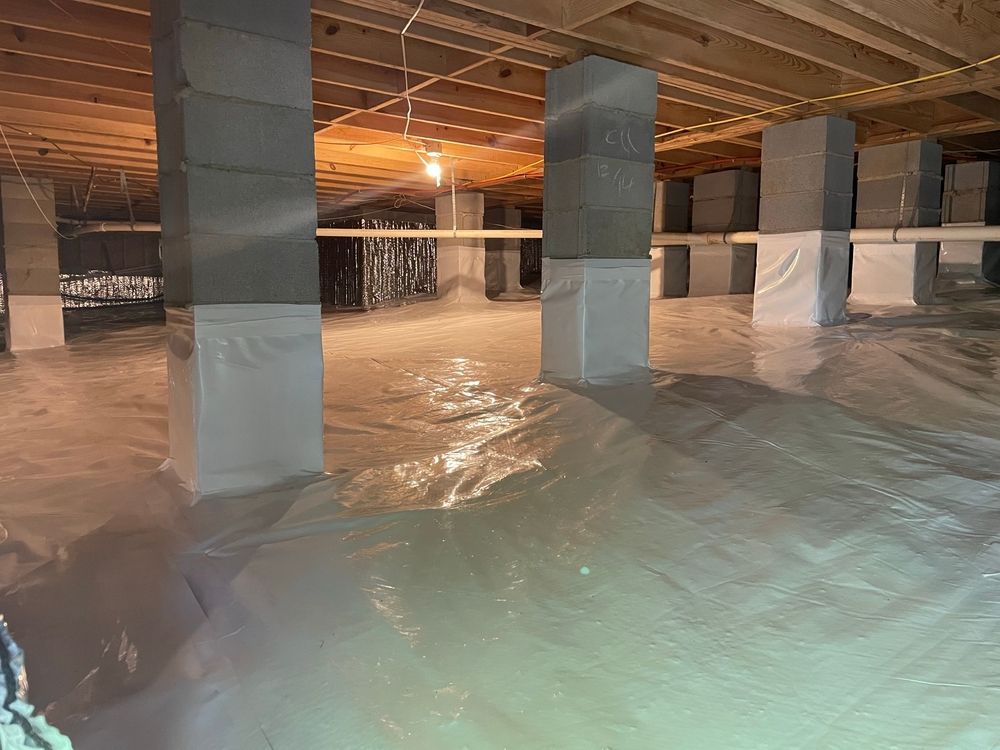
Centennial sits on the Colorado Piedmont, where uranium-rich soil and fractured bedrock create pathways for radon gas to rise into homes through foundations and crawl spaces.
The geology beneath Centennial includes layers of weathered shale and granite that naturally contain uranium. As uranium decays, it releases radon gas that migrates upward through soil particles.
Seasonal changes affect how much radon enters your home. Spring snowmelt and summer storms increase soil moisture, which can push more radon into basements and crawl spaces.
Testing accounts for these local factors by measuring your specific exposure over time. Every home is different, even within the same neighborhood.
Professional testing gives you the data you need to make informed decisions. If mitigation becomes necessary, services like radon system installation in Centennial, CO can reduce your levels effectively.
Knowing your radon level is the first step toward protecting your household from long-term health risks. Testing is straightforward, non-invasive, and provides clear results you can act on.
Schedule your professional radon test with Master Mitigators by calling 720-471-7041 today.