When Should You Test for Radon in Denver, CO Homes?
Radon testing in Denver, CO is essential when buying, renovating, or living in a home with a basement, using certified equipment to measure levels accurately for your safety.
Do All Denver Homes Need Radon Testing?
Yes, all homes in Denver, CO should be tested regardless of age or construction type, because radon gas can enter any structure through foundation contact with soil.
Radon is a naturally occurring radioactive gas that results from uranium breakdown in the earth. Denver's geology includes uranium-bearing rock formations that release radon as they decay over time.
Your home acts like a vacuum, pulling air and radon gas upward through cracks, gaps around pipes, and porous concrete. Even new construction can have elevated radon levels if the site sits above radon-producing soil.
How Often Should You Retest Your Home?
Homeowners should retest every two years or after any major renovation that affects the foundation, HVAC system, or overall air pressure inside the home.
Radon levels can change over time due to settling foundations, new cracks, or changes in how air moves through your house. Finishing a basement or adding new windows can alter pressure dynamics and radon entry points.
If you've had a mitigation system installed, annual testing ensures it continues working properly. Fans can wear out, and sealing materials may need maintenance to keep radon levels low.
Regular testing gives you ongoing confidence in your indoor air safety. You can also explore indoor air quality consultation services in Denver, CO for a broader assessment of your home environment.
What Happens After You Receive Test Results?
If your radon level is four picocuries per liter or higher, you should arrange for a custom mitigation system designed for your home's specific foundation and layout.
Test results will clearly indicate whether action is needed. Professionals can help you understand what the numbers mean and what mitigation options fit your home.
Mitigation systems reduce radon by venting gas from beneath your foundation before it enters living spaces. These systems are effective and operate quietly in the background once installed.
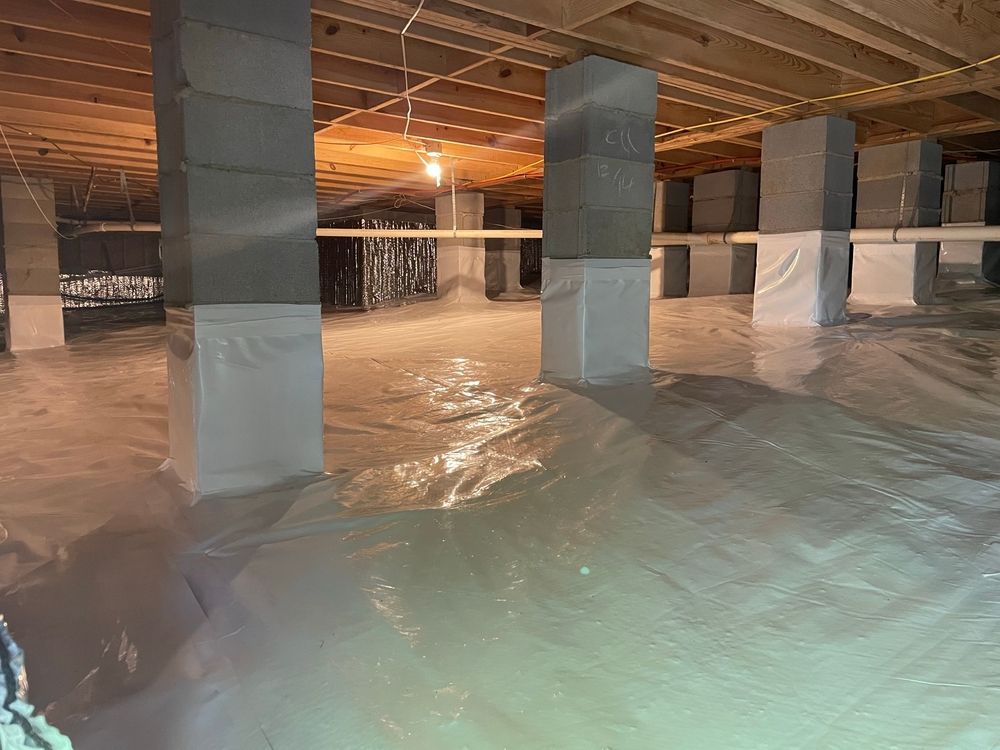
If mitigation is recommended, services such as radon system installation in Denver, CO provide long-term solutions tailored to Denver-area basements, crawl spaces, and slab foundations.
How Does Denver's Altitude Impact Radon Risk?
Denver's elevation and dry climate create unique pressure patterns that can draw radon into homes more aggressively, especially during winter when homes are sealed tightly.
At higher altitudes, the thinner atmosphere reduces outdoor air pressure. This difference increases the stack effect, pulling more air and radon from the ground into your home through any available openings.
Winter heating further amplifies this effect. Warm air rises inside your home, creating negative pressure at the foundation level that actively pulls radon gas upward through cracks and gaps.
These local conditions make testing especially important in the Denver, CO area. Even homes near me in neighborhoods with similar construction can have very different radon levels depending on soil and foundation details.
Testing is simple and gives you clear information about your exposure. Understanding your radon level helps you protect your family from unnecessary health risks.
Discover your home's radon level and explore solutions with Master Mitigators by calling 720-471-7041.